Spring skiing outfits – what to wear
Spring is in the air! Powder makes way for slush, après ski turns into pond skims, and some riders' goggle tans go next-level. If you're after spring skiing outfit inspiration and want to nail your layering game, we've got you covered.

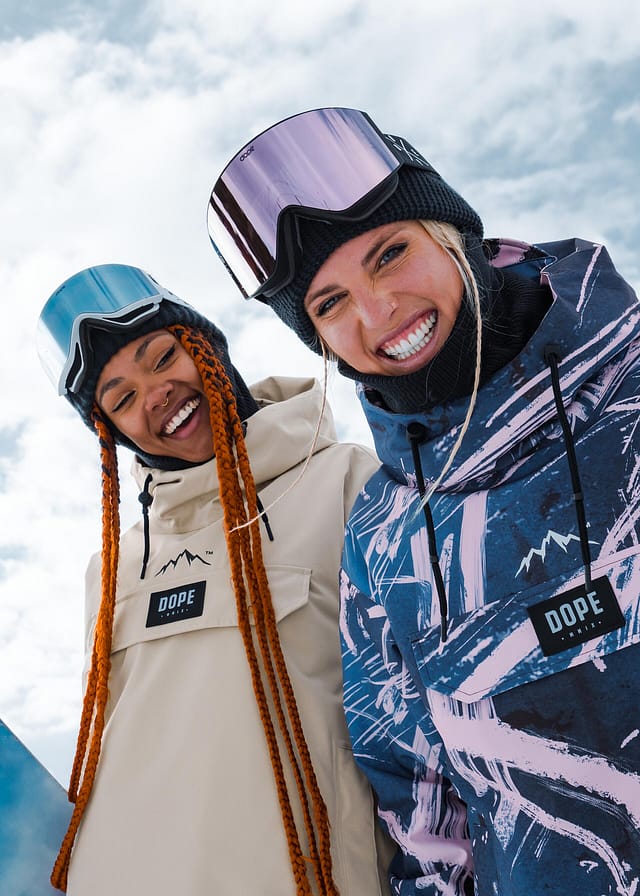
Spring shredding is some people's favorite time of the year. Slush laps, deckchair siestas, sunshine until late… what's not to love? But knowing what to wear is a whole other story. Too little and you're freezing, too much and you're a sweat-fest. The trick is smart layering, and we've got the spring skiing outfit inspiration you need to get it just right. Shop lightweight spring options in our ski jackets for women to stay dry without overheating. Pick a vented shell from our ski pants for women to keep cool through slushy afternoons. For a broader breakdown of setups across every cold range, check the Dope temperature guide.
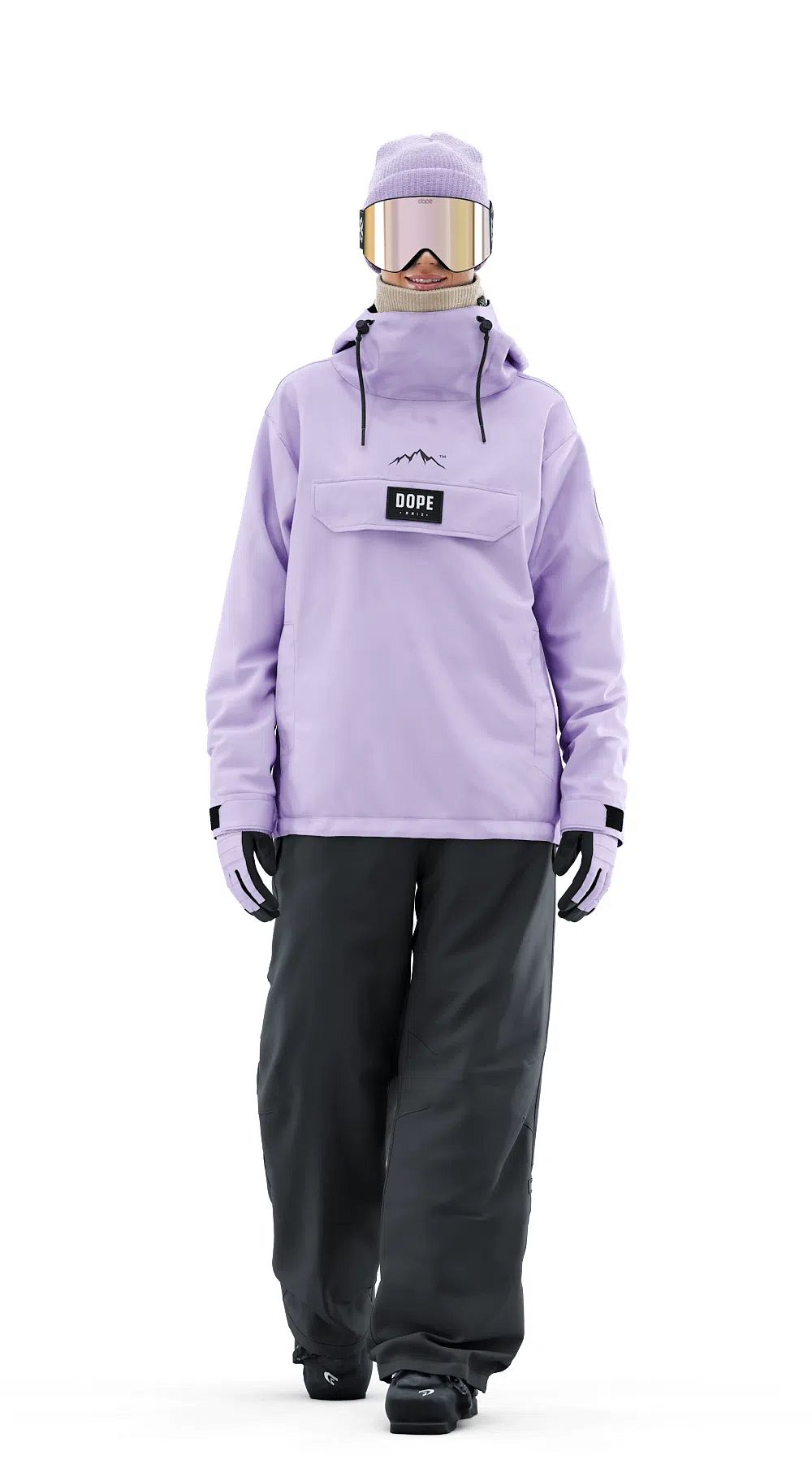


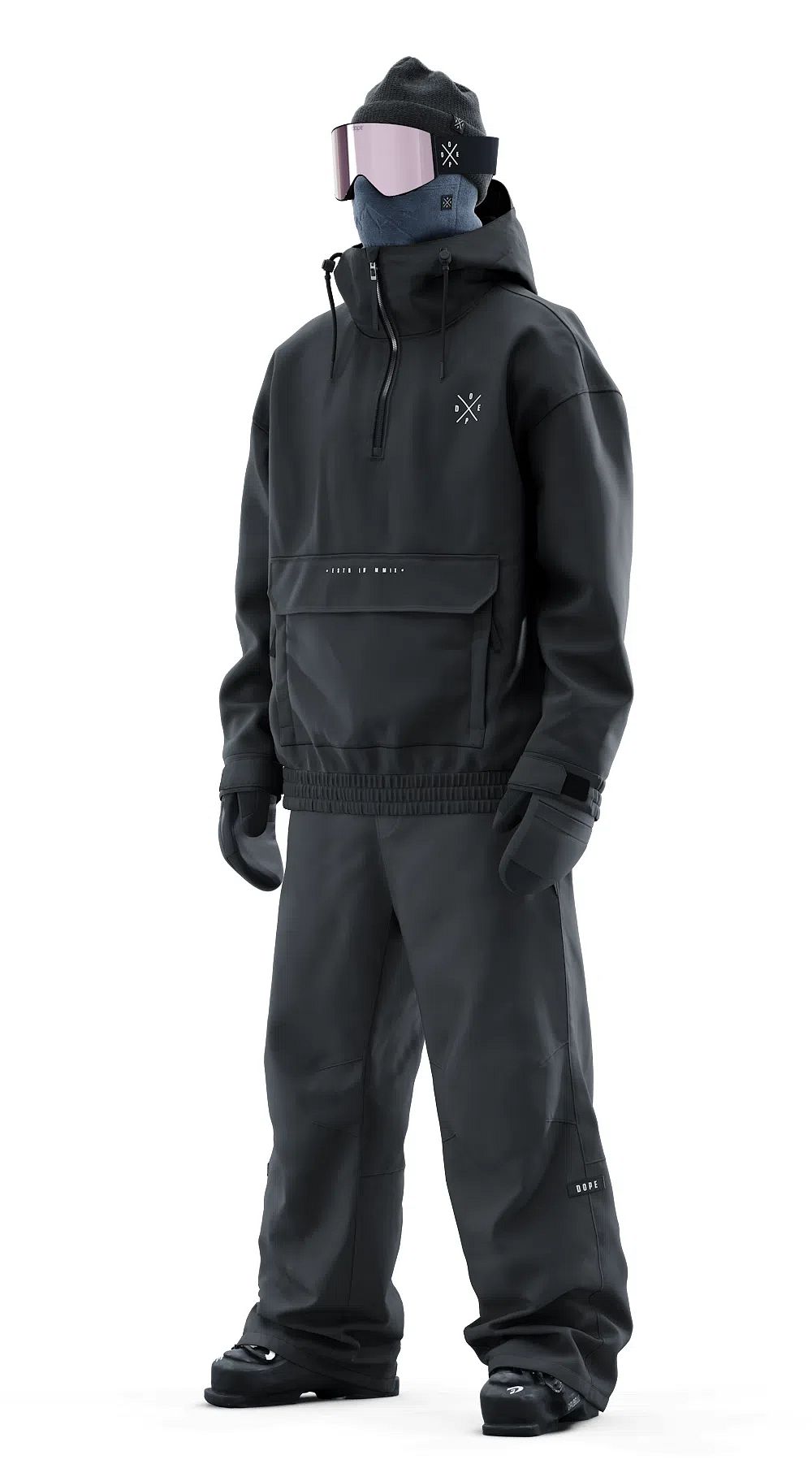
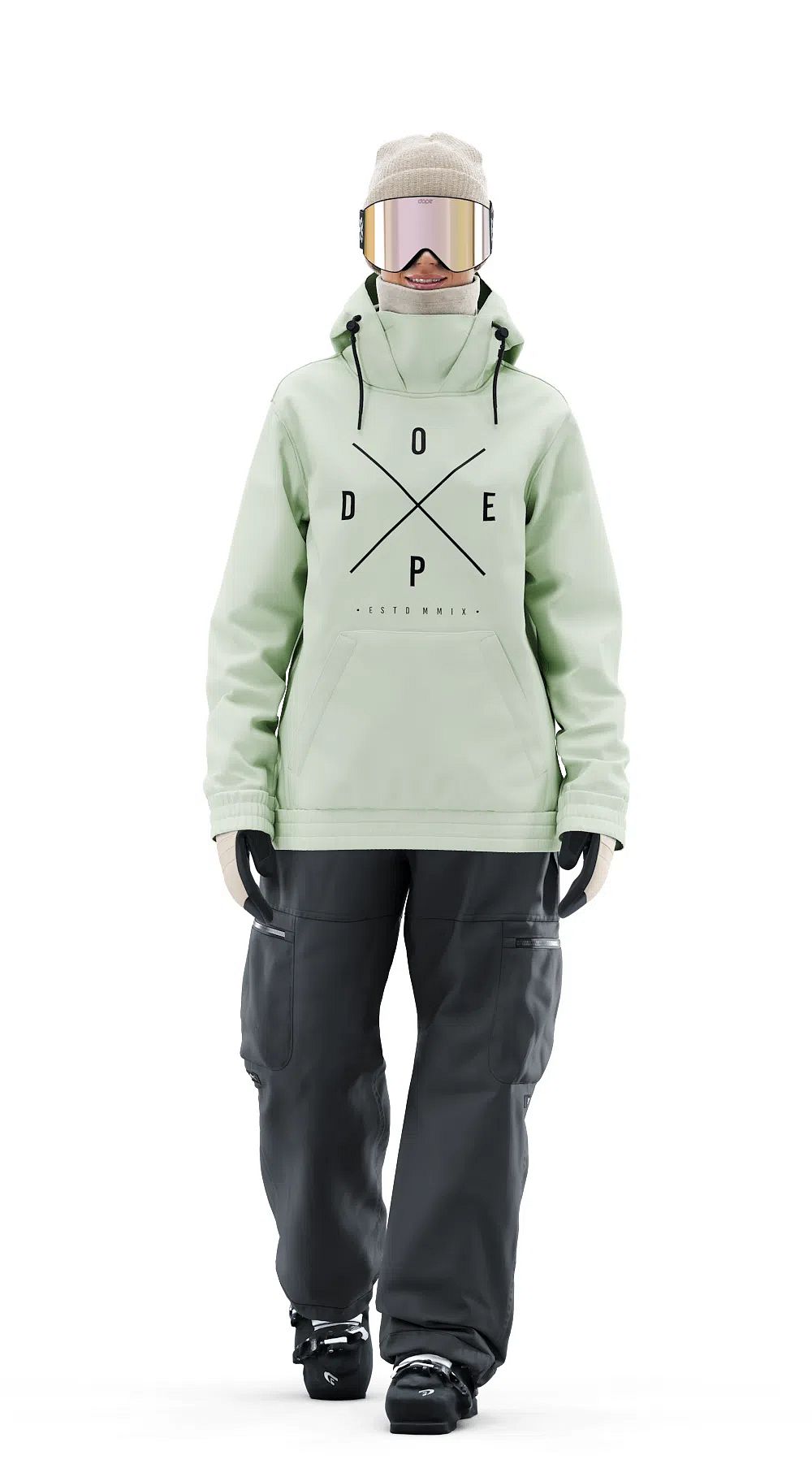
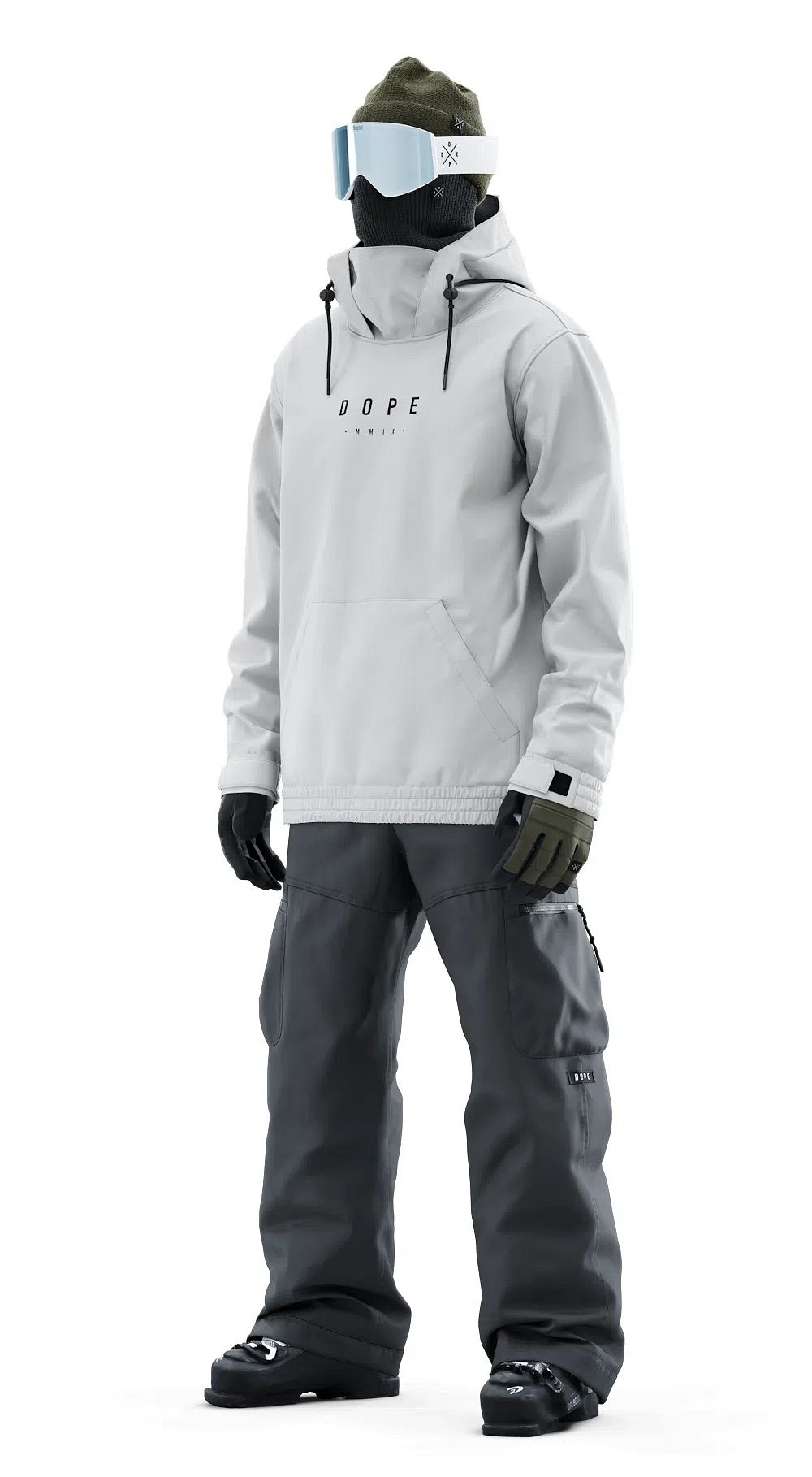
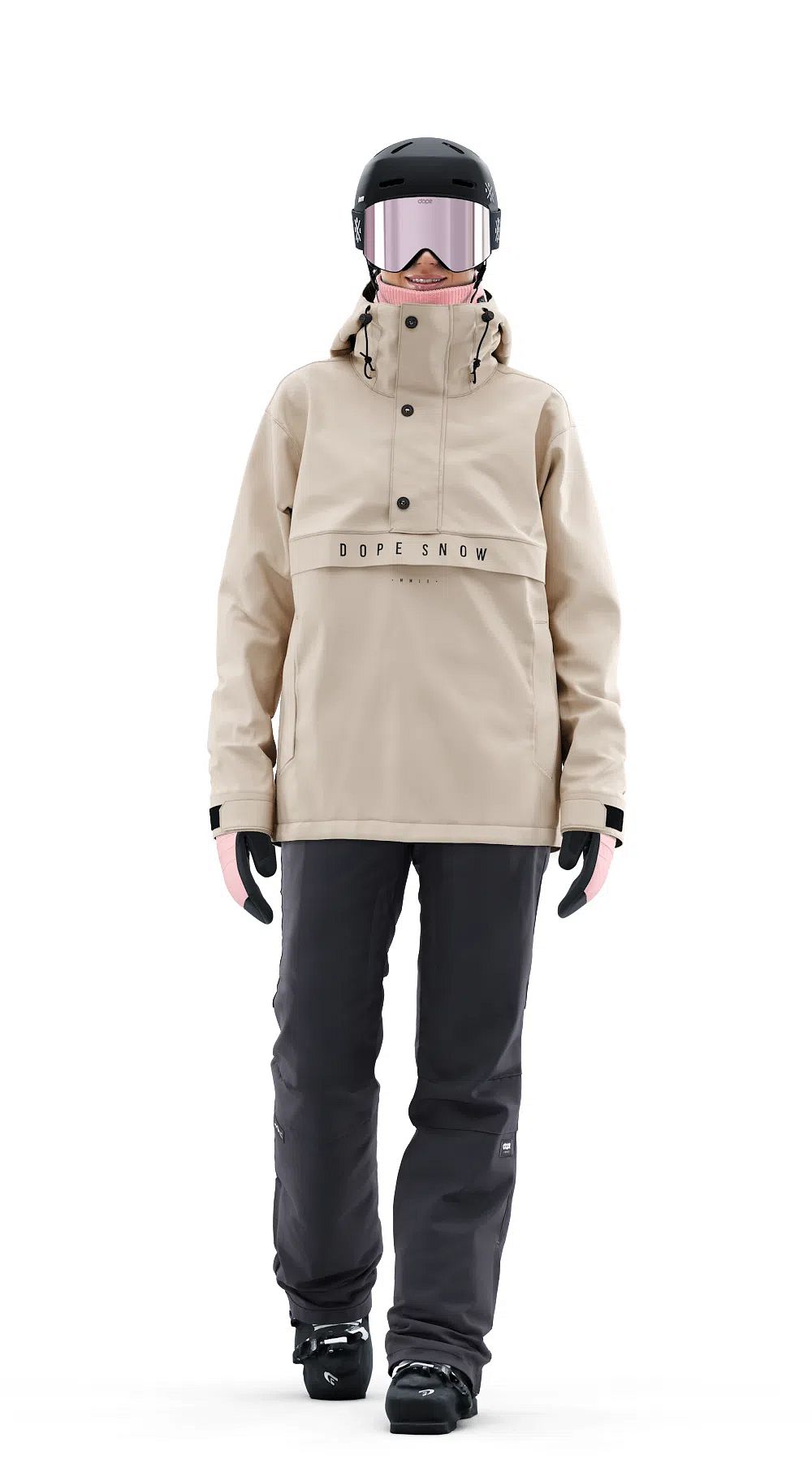
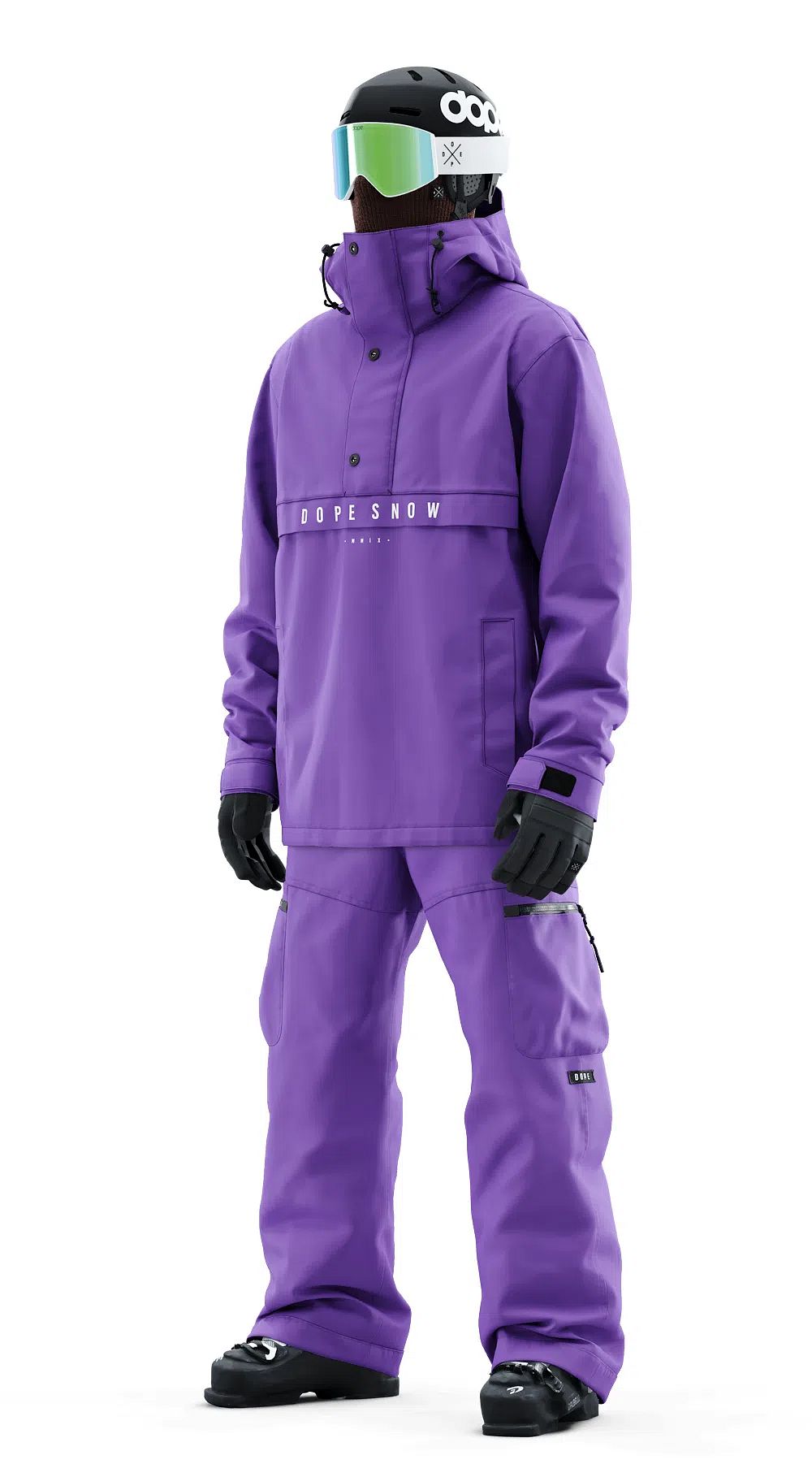
Spring skiing layering guide
Spring conditions change fast, from frozen groomers in the morning to slushy afternoon slop. Here's how to build a layering system that keeps up.
Base layers
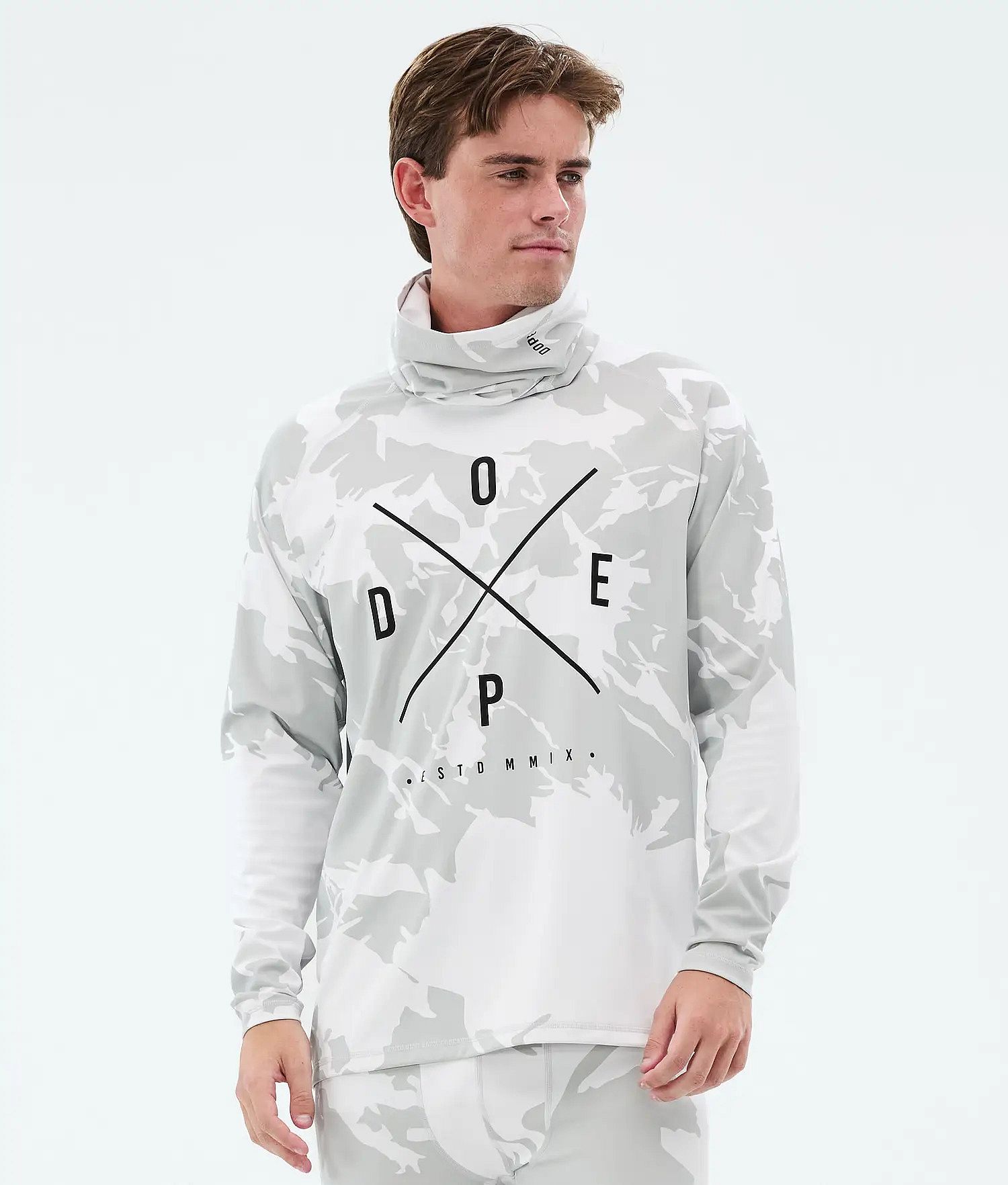
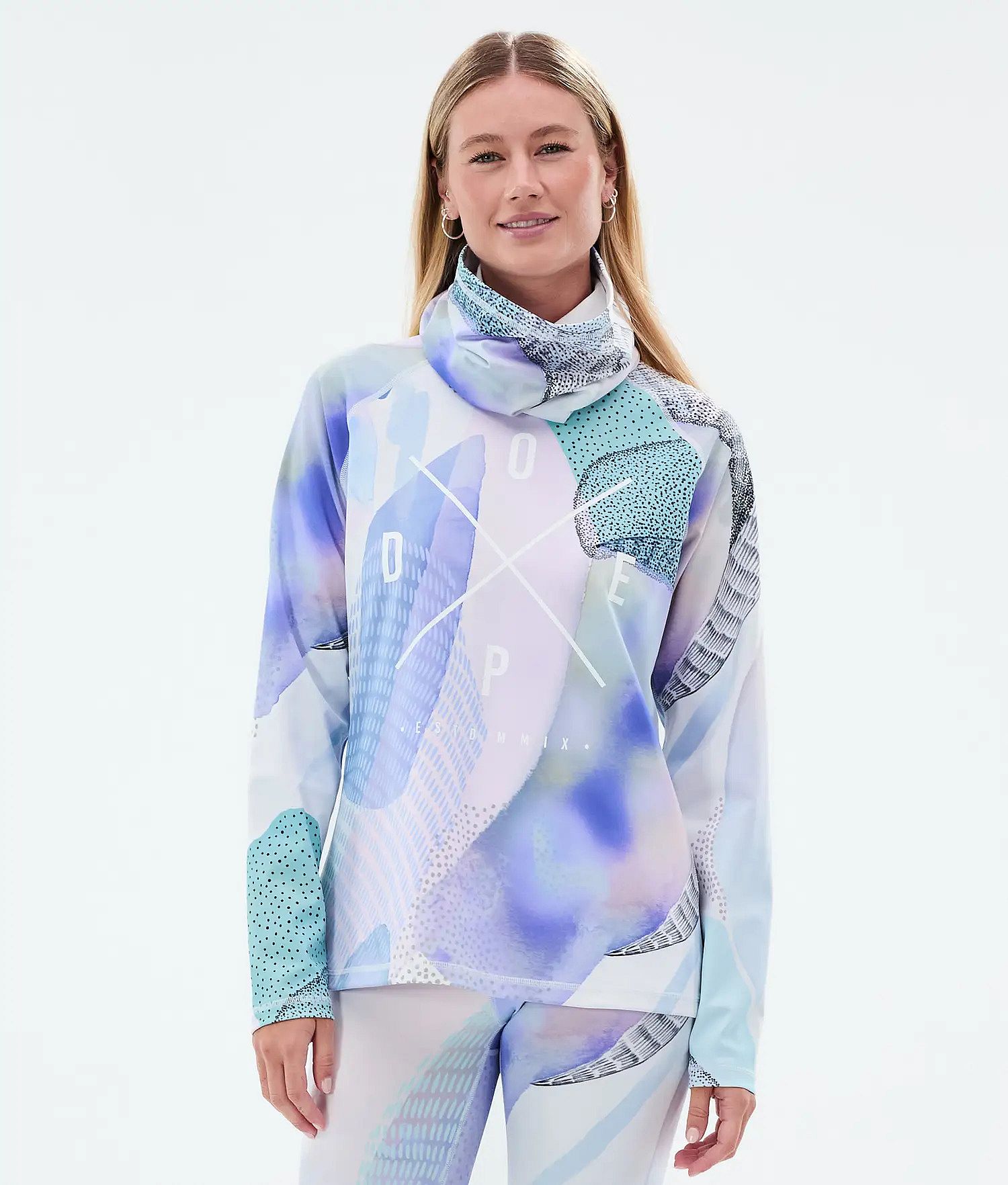
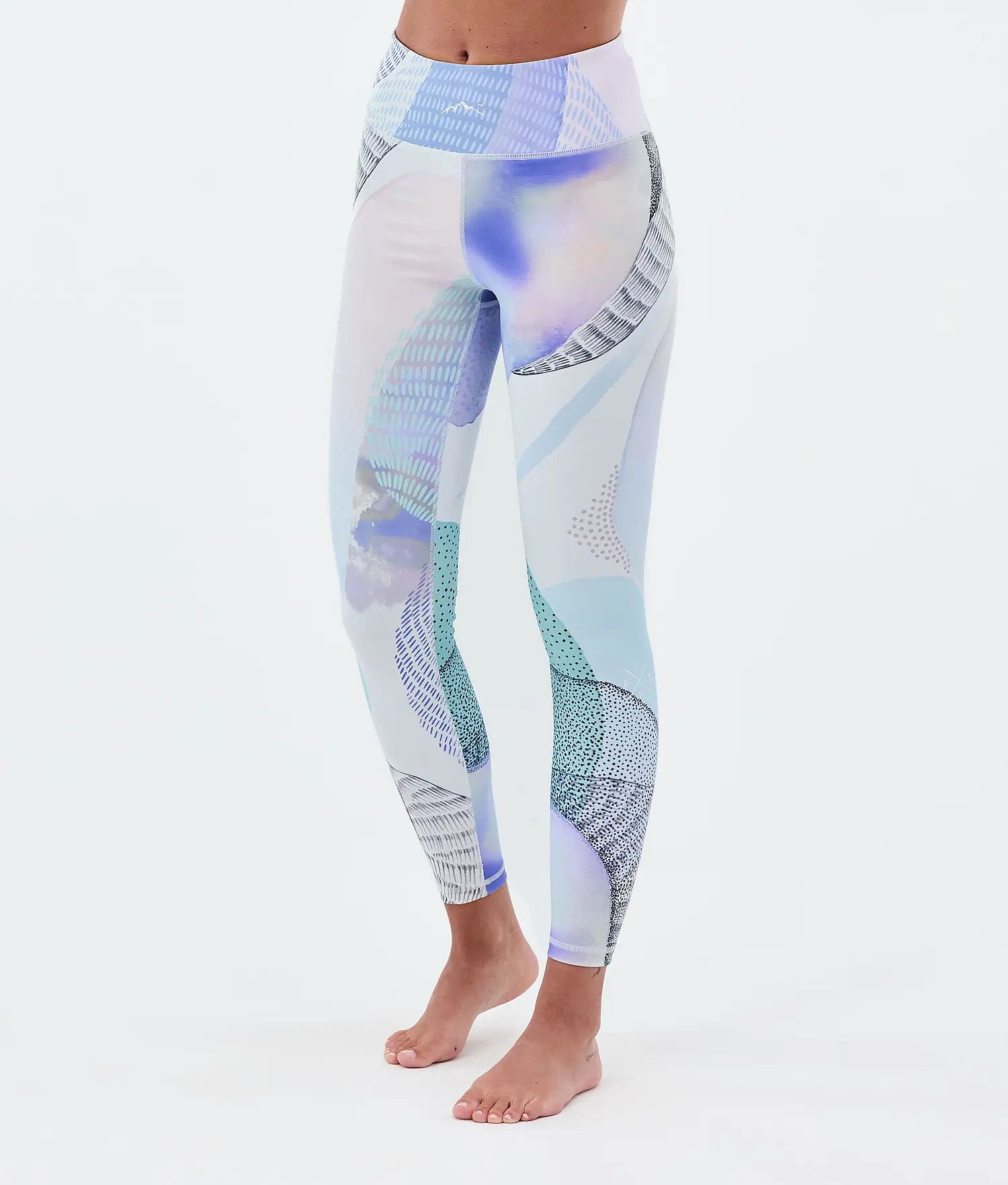
You might associate base layers (next-to-skin layers) with heat retention. And why would you need that in spring, right? But hear us out. Base layers work the opposite way in the spring by cooling you down. You see, they’re masters at regulating temperature, wicking sweat away so you stay dry and avoid overheating. And that’s something that’s 100% required in higher temps and thigh-burning slush.
Sure, you might be tempted to throw on a cotton tee. But cotton is terrible for a spring sesh as it absorbs moisture and fails to keep you warm when it’s wet (whether you’re damp through yard-sale-ing or sweating). So, choose a base layer made from merino wool or polyester.



Midlayer
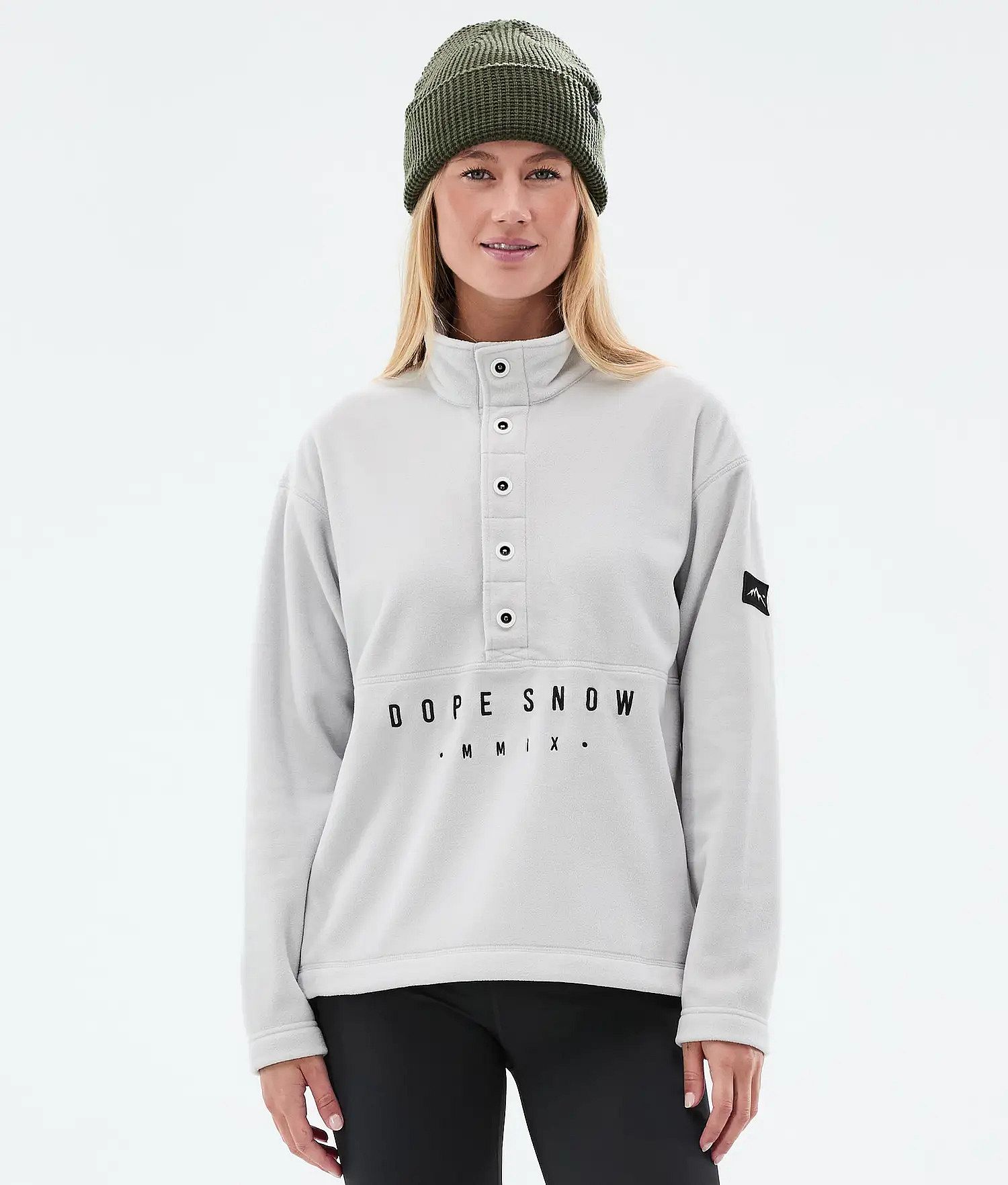
Midlayers are optional. However, spring temperatures can still be chilly, especially first thing in the morning. For extra warmth without the bulk, reach for a midlayer. End-of-season options include vests, light, breathable fleeces, or midlayer t-shirts, all designed for the mountains with moisture-wicking, breathable fabrics.
Skinning up the mountain or going big in the park? Sometimes a midlayer is all you need, rather than piling on outerwear (just remember they’re rarely waterproof). Or skip it completely when temperatures rise (stash it at the lodge or in your pack) and wear base layers with a shell or softshell. How you layer often comes down to personal preference and how warm or cold you run.




Jacket
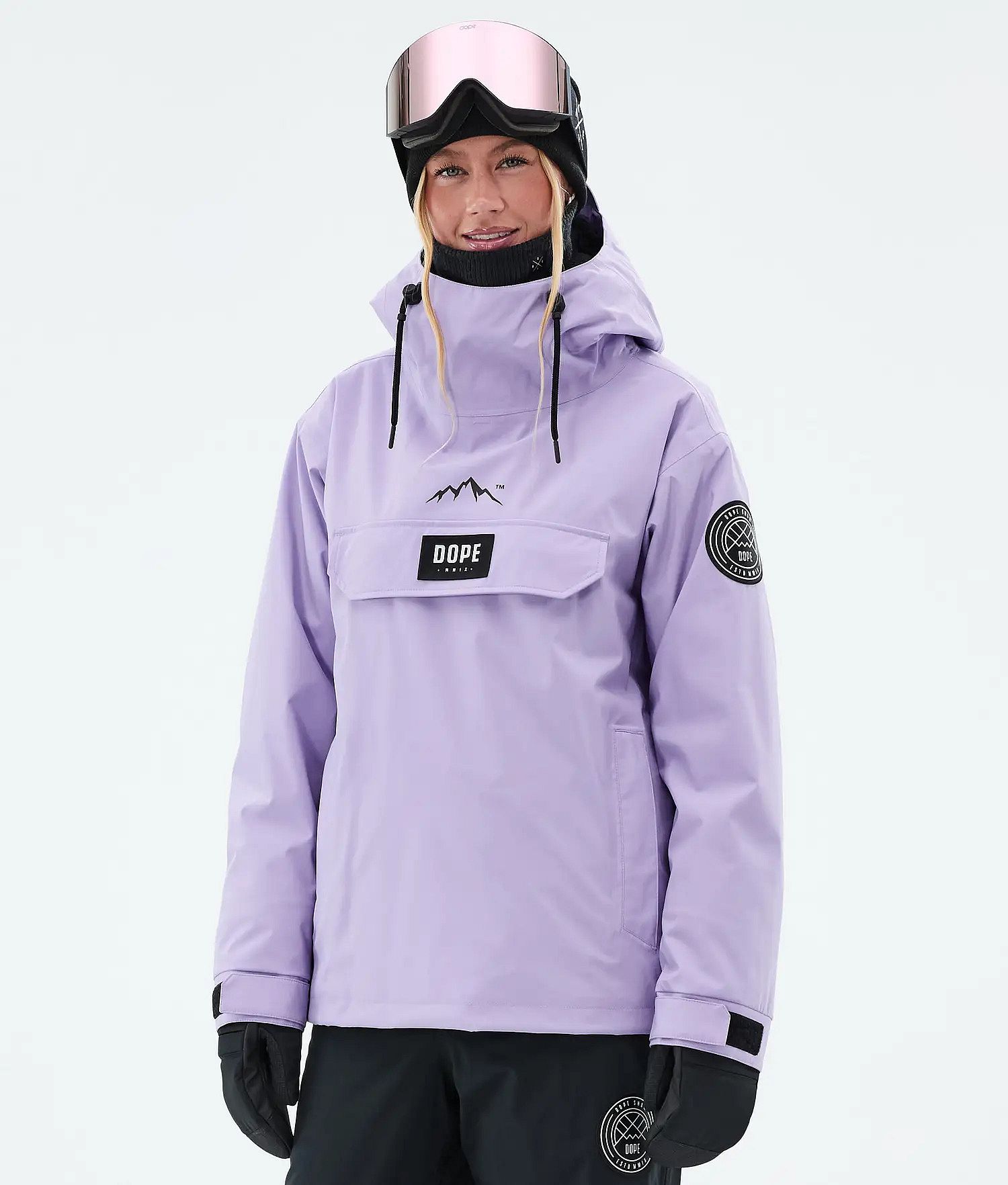
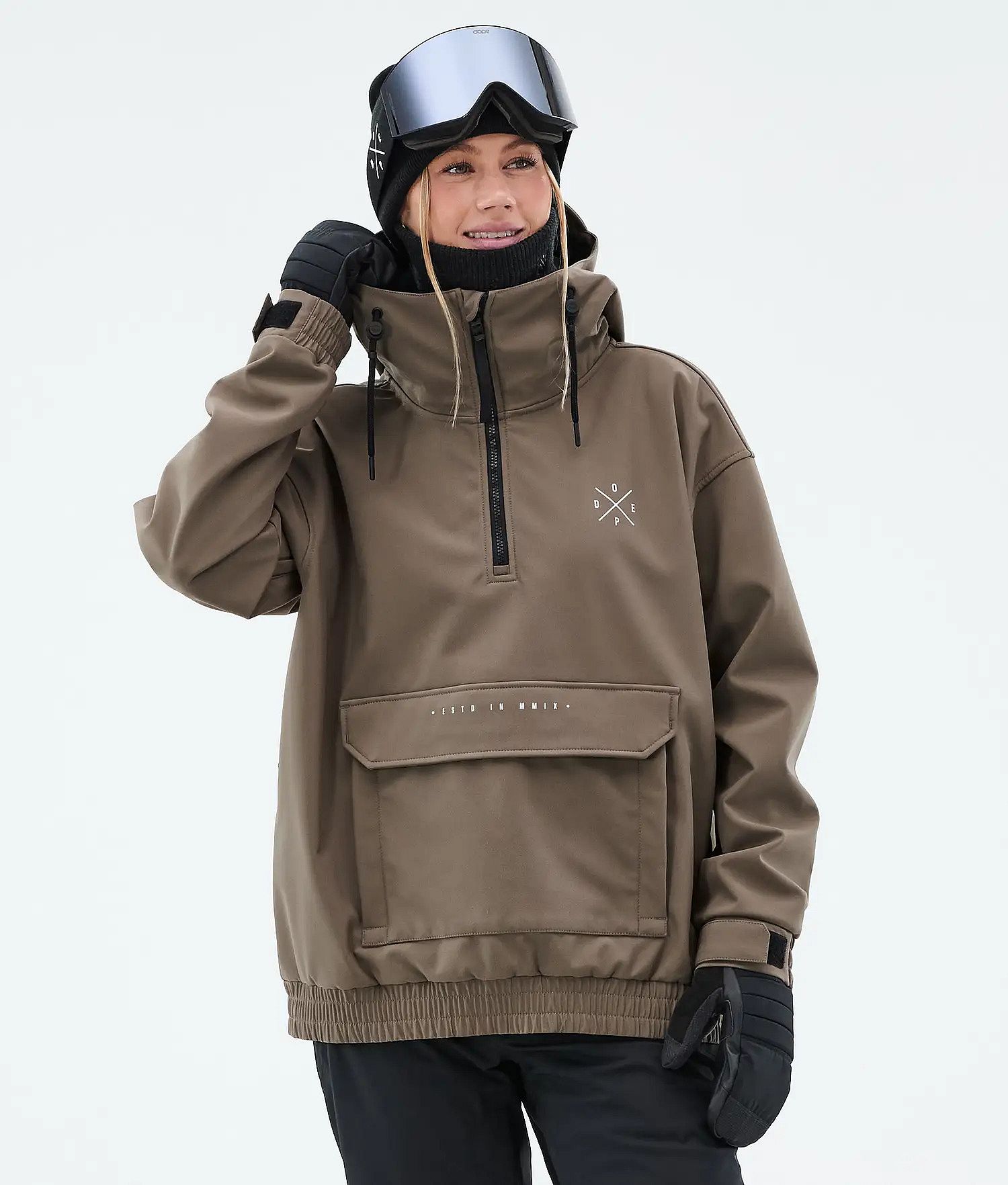
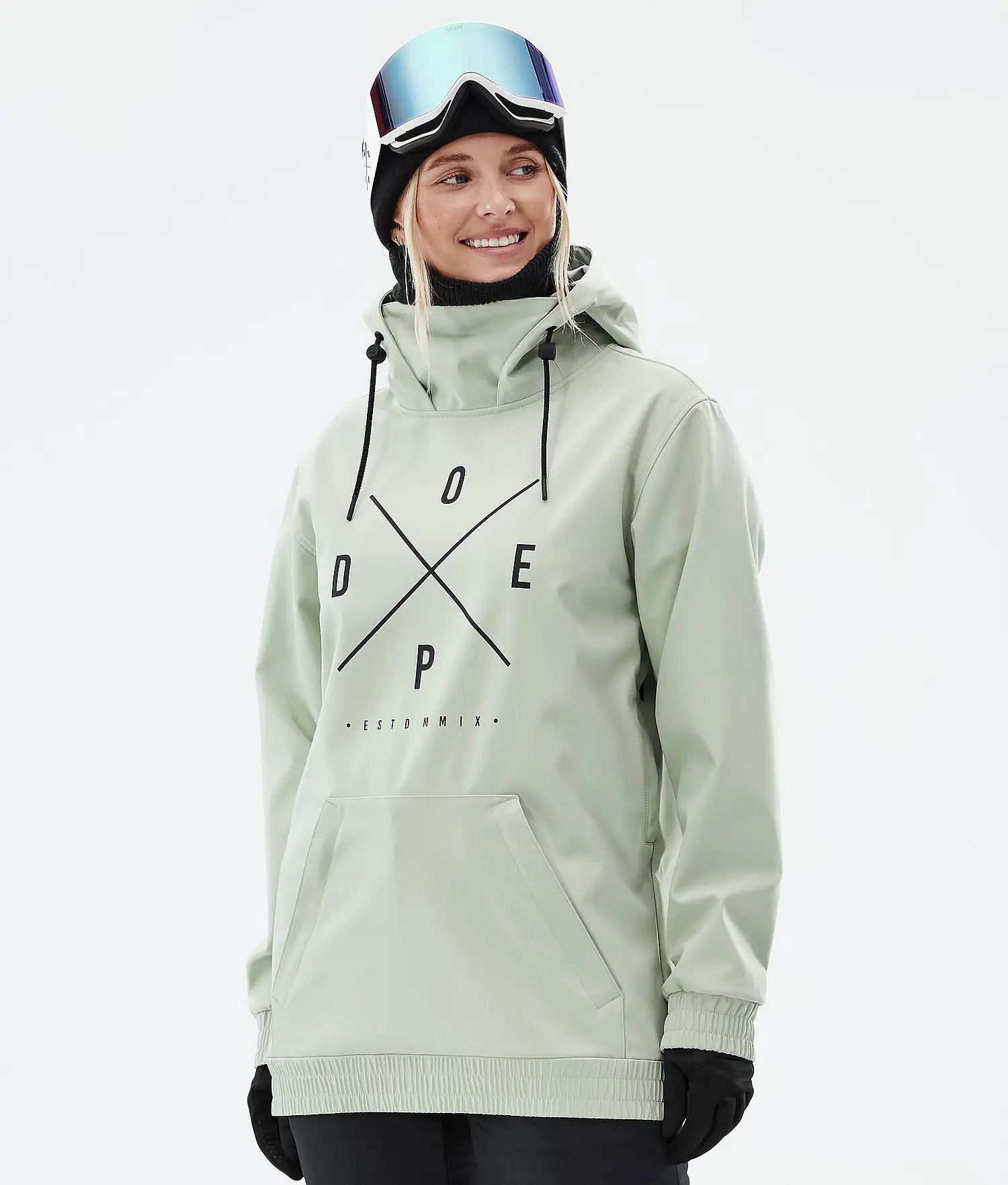
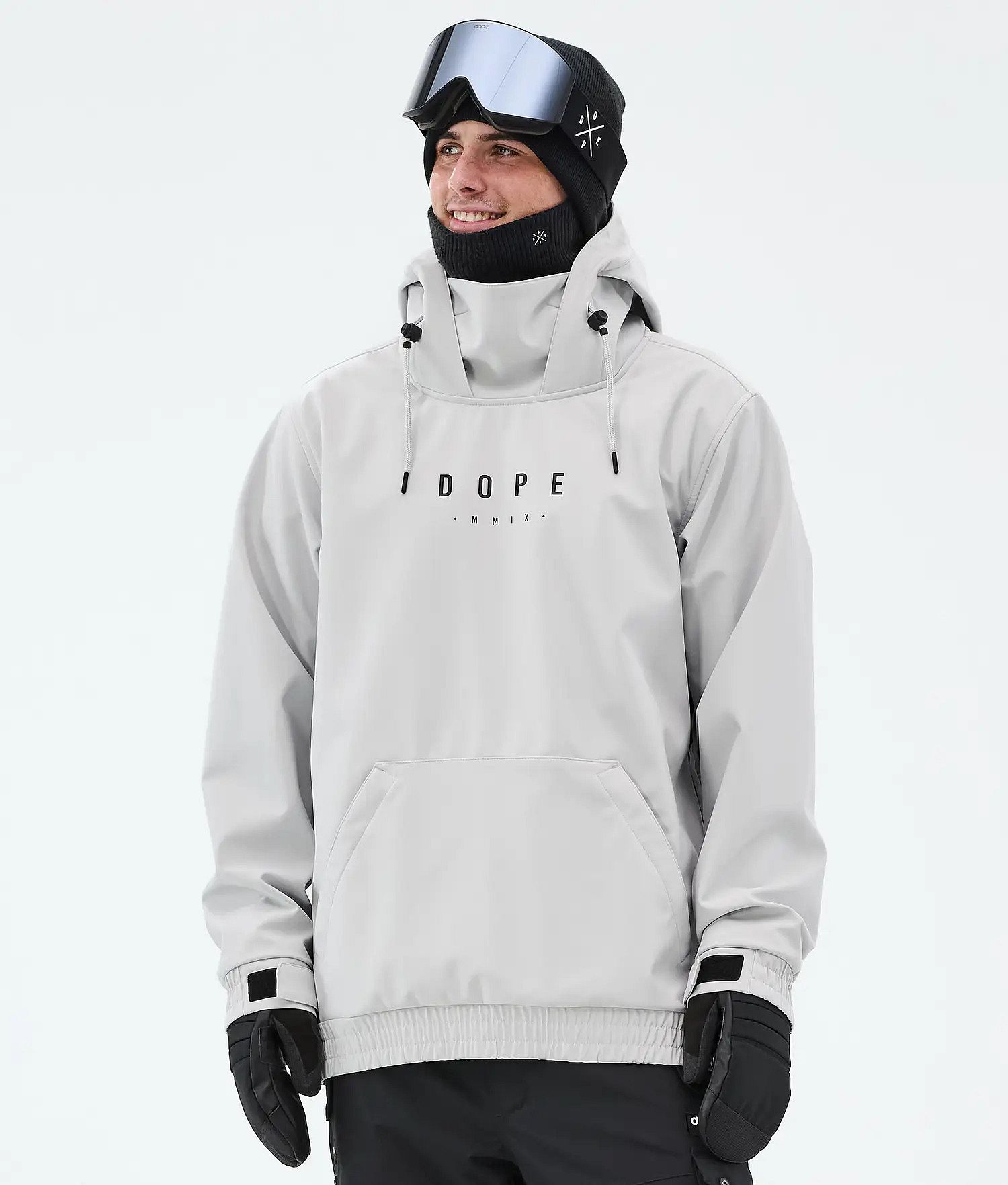
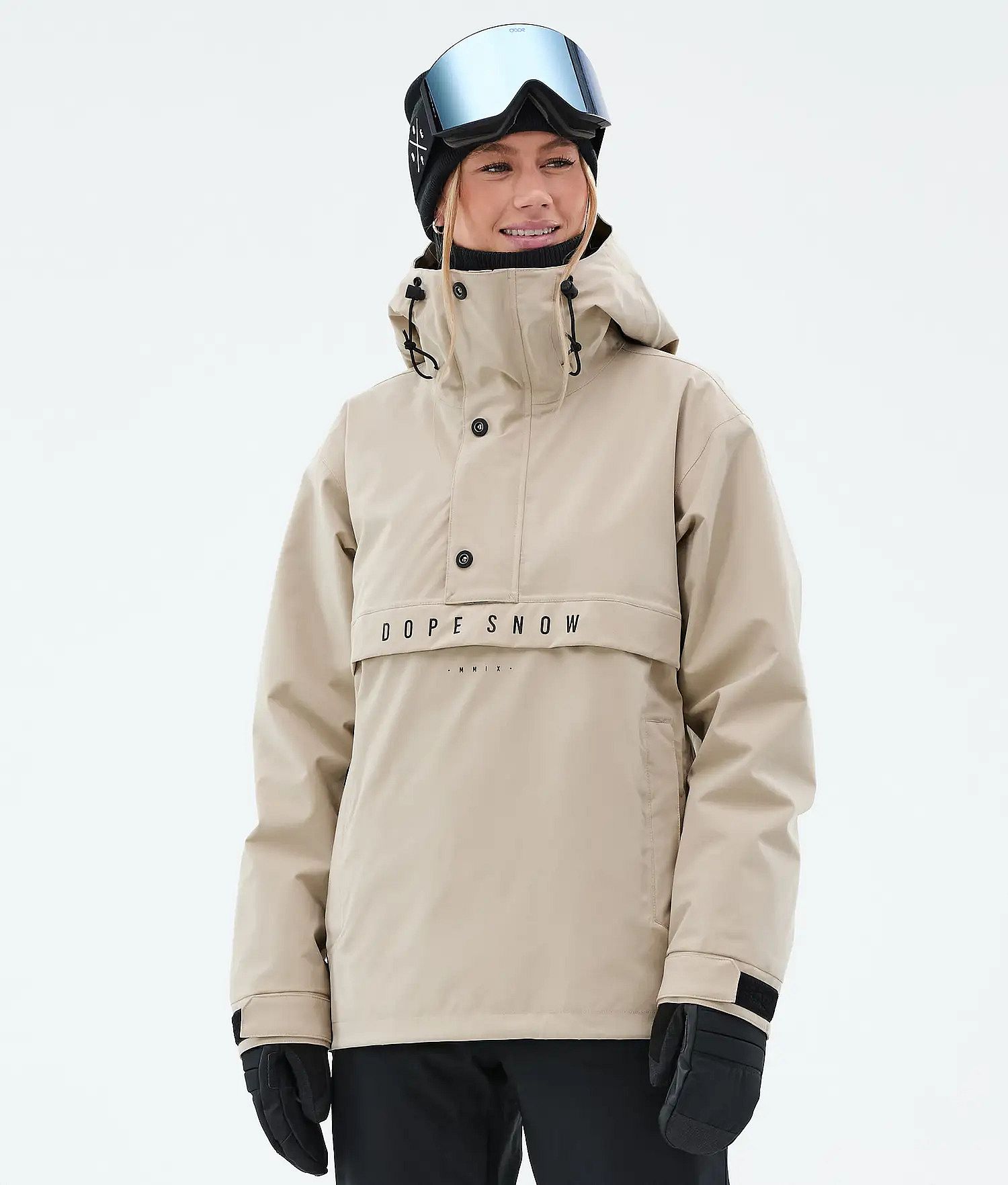
Step away from heavy insulation, because spring outerwear is all about staying light on your feet. Think of spring ski jackets as boosted riding hoodies. They offer the laid-back feel of a midlayer, but with waterproofing and breathability (at least 15,000 mm/15,000 g), wind resistance, and the tech you need for slope days. And, hey, you’ll still want protection from those sneaky snow snake attacks.
You’ll find two spring players: softshells and shells. A softshell is a bonded, stretchy fabric with a medium-weight, fleecy liner. A shell has zero insulation for extra versatility, putting layering power in your hands. Typically, shells also have taped seams for added waterproofing. Look for features such as pit zips, too, as they let you dump heat fast as the day warms up.


Pants
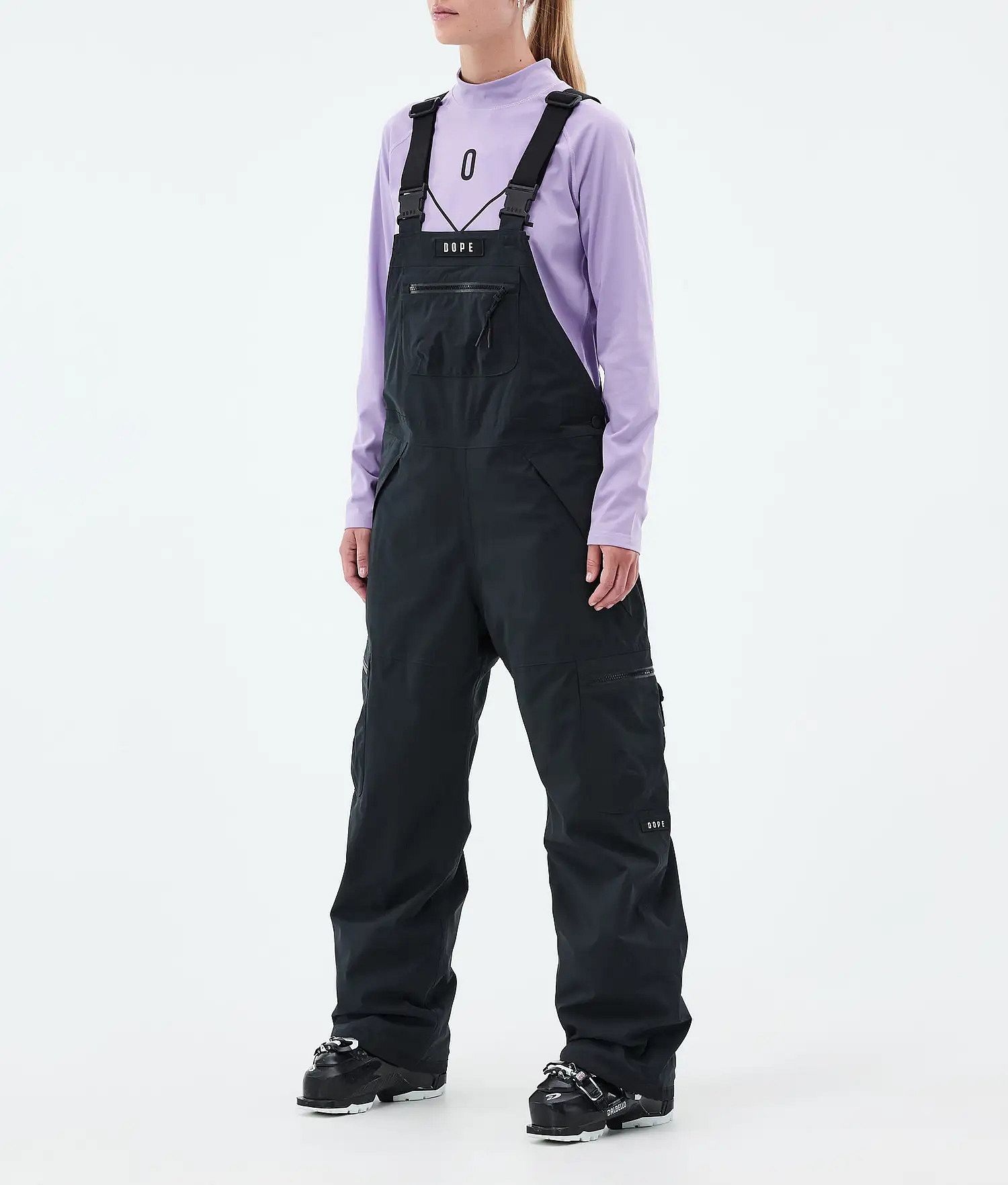
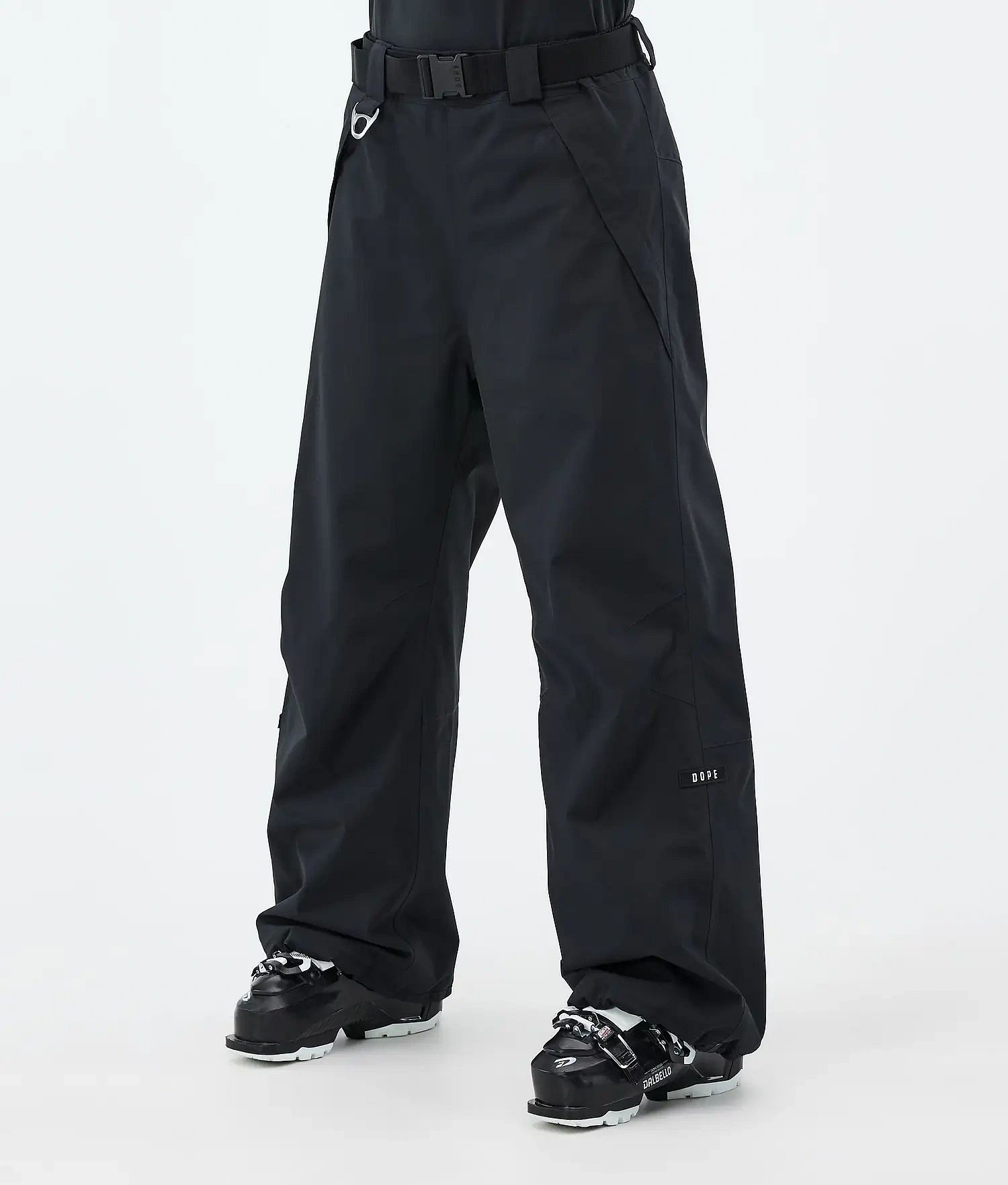
Tend to run cold? Select insulated ski or snowboarding pants. If not, go for a shell. These options are insulation-free, keeping you light on your feet and letting you layer how you want. As with jackets, it’s handy for your pants to have zippered vents, often found on the inner thighs. These are quick and easy to open when you want to cool off.
You can also choose between bibs or classic snow pants. Bibs tend to offer more warmth around your core and provide extra coverage if you stack it in soft spring snow. However, if you’re into spring touring, bear in mind that bibs can be a little trickier to manoeuvre and undo when nature calls.


Accessories
Now you’ve got your layers sorted, it’s time to add your accessories. The final piece of the puzzle.
Goggles and sunnies
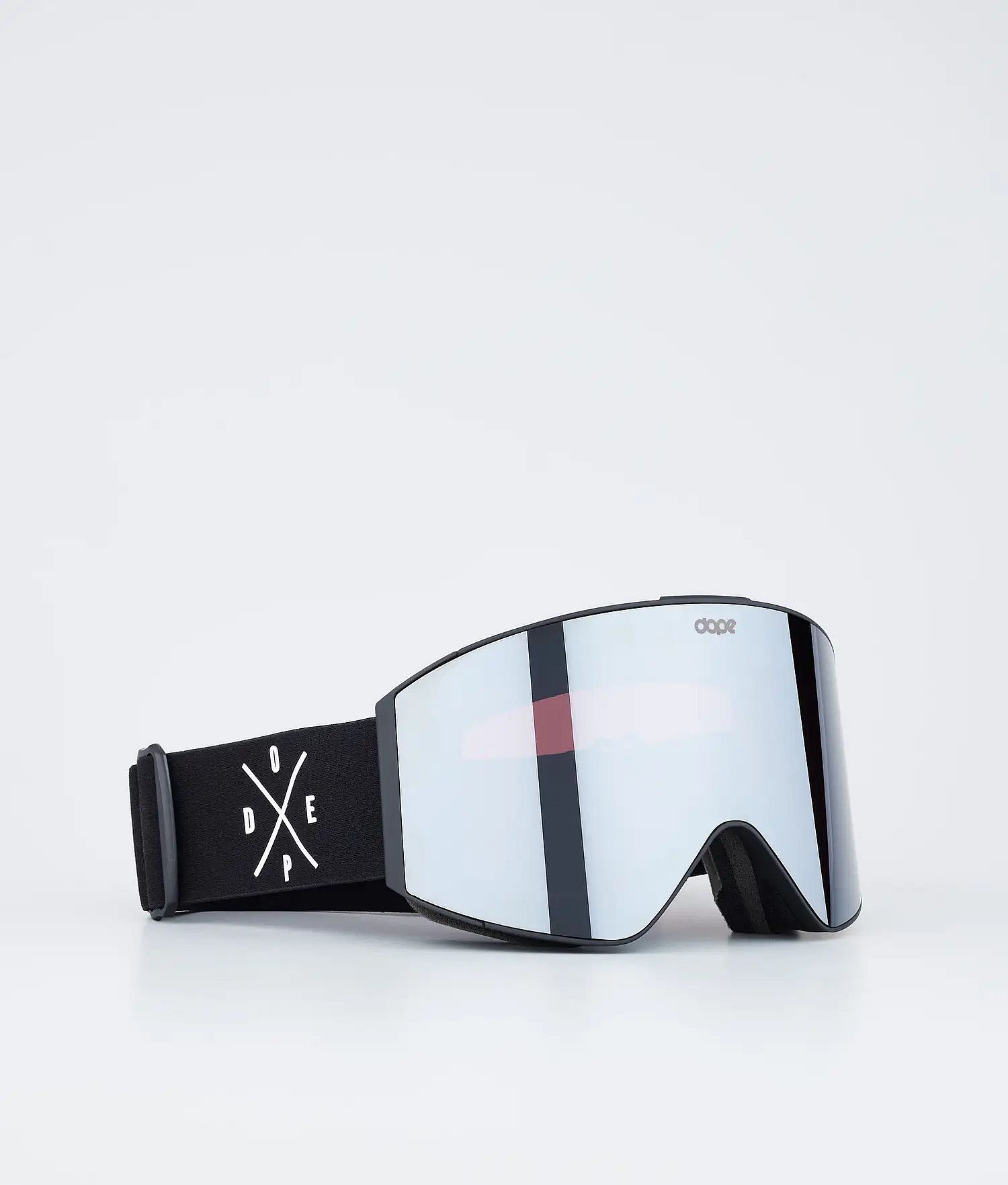
Goggles are awesome at offering some shade in sunny spring conditions. Just make sure you choose goggles with a VLT (Visible Light Transmission) of below 20% for bright conditions! Our other tip? Pack your sunnies inside your jacket. You’ll want them for coffee stops and après beers in the sun.
Helmet
As the heat rises, you might consider leaving your helmet at home. But, you know what they say: no helmet, no ride! So always bring your lid. Good helmets also feature vents to keep the air flowing smoothly so sweat doesn’t build up when the sun is blaring!
Gloves and mittens
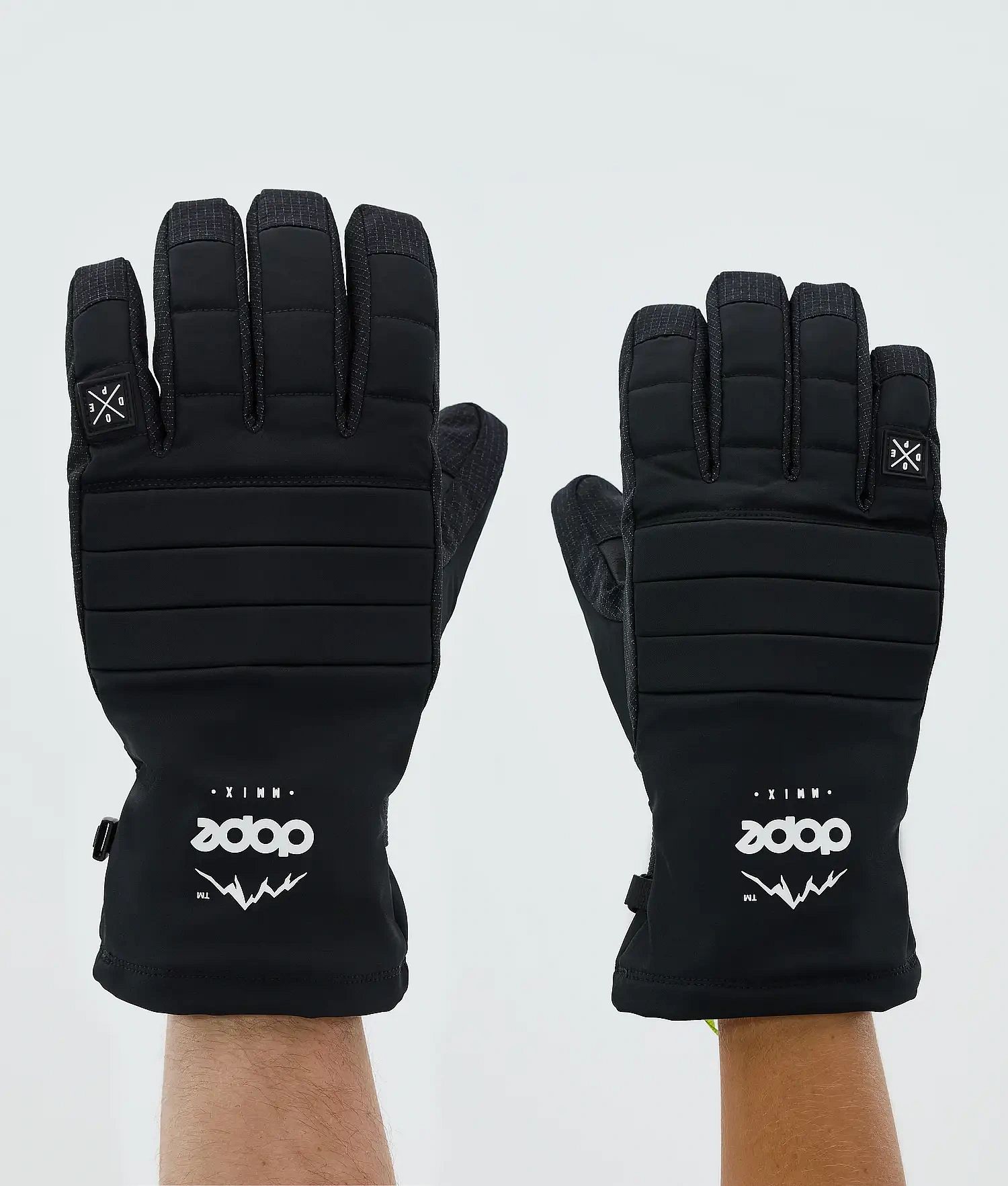
Most ski gloves and mitts are built for all conditions, from Baltic winters to slushy springs. However, some designs, such as our Ace gloves, include removable liners for when the temperatures get spicy. Alternatively, go for a liner glove on its own. These are lightweight, breathable, and perfect for staving off wind chill during park laps.
Facemask
Facemasks are great for a bit of extra warmth during pow days, but they’re also a must-have in spring for protecting against the wind and that pesky UV! Just make sure you go for a thinner facemask over anything too fleecy or bulky. Then, wear it over a cap on the skin track or under your helmet on the downhill (if you want to look the part!).



Extras
Sunscreen and more sunscreen, especially for your face and lips. That’s because the sun bouncing off the snow can be super strong. Caps provide extra sun protection, particularly when you’re done riding for the day. Entering an afternoon pond skim? Ditch all your techy stuff and dig out your costume instead. The crazier, the better.
Wrapping up
Your slush setup will always be slightly different from your pow setup. However, it’s important to remember that high temperatures and nonstop sun aren’t guaranteed in spring, and conditions can change day to day, and even from morning to afternoon. So, prepare to stay flexible and adjust your layers as needed. You might need to shed your shell in the morning and throw it back on if the clouds roll in. A versatile layering system is the key to comfortable spring riding!
Have more questions about spring shreds or any of our products? Reach out to our team at crew@dopesnow.com. They’re always stoked to hear from you.
Related reading: