What is a softshell jacket?
What is a softshell jacket? Hang on… A ski jacket is a ski jacket, right? Well, yes and no. A softshell is a type of jacket for certain riding days and conditions. Confused? Don’t worry, we’ve got your explanation right here.

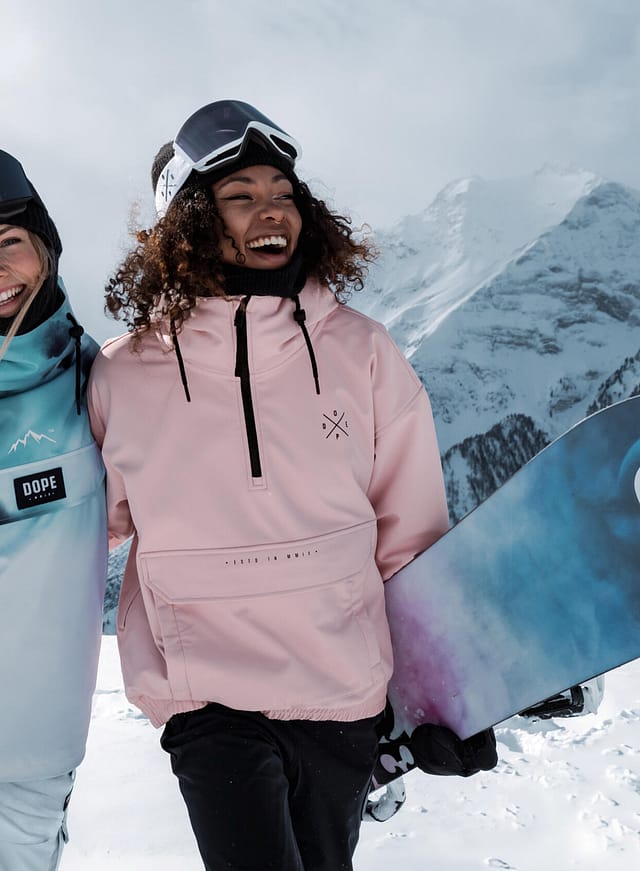
Ah, the softshell. This nifty layer is sure to become your go-to addition whether you ride one week a year or shred all season. These casually styled jackets hide plenty of tech under the surface, so don’t underestimate them!
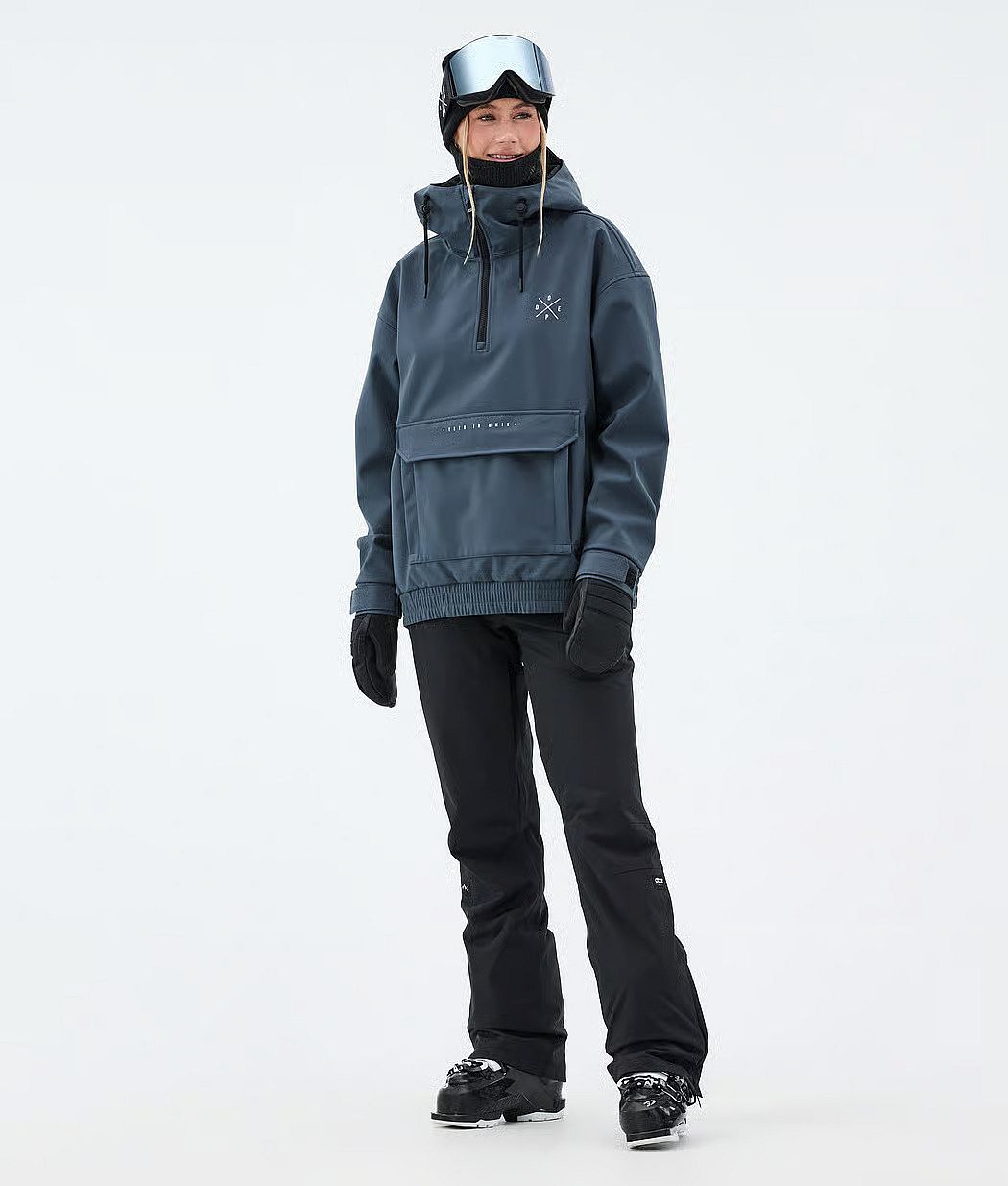
A softshell can look like a mountain-ready riding hoodie to wear in the spring. Or you can easily layer one under a hardshell on colder days. Basically, think of a softshell jacket as plugging the gap between a waterproof hardshell and an insulating layer. But wait, because we’re getting ahead of ourselves. Let’s start with the basics and benefits in our quick-fire roundup. Oh, and don’t forget to check out our killer softshells below in the Dope collection.

Key features
Softshells are often better suited to mountain life than they seem! These jackets are perfect for cruisey days as a shell, or for adding to your layering system. So, you can wear them over a base layer on spring slush days or under a shell jacket in wilder conditions. Let’s take a look at how else softshells shine…
Breathable
Softshells aren’t designed for riding in really bad weather, which is why they can be incredibly breathable, allowing sweat to escape and helping regulate body temperature. That way, you stay cool and dry and avoid any dreaded overheating.
Wind-resistant
Typically, softshells are wind-resistant or totally windproof, blocking wind chill so you stay comfortable. That might be through tightly woven structures or a particular fabric technology.
Waterproof
Some softshell jackets are only water-resistant, with a DWR (durable water repellent) treatment added to the face or outer fabric. However, others have a waterproof membrane for better protection and performance. Look for a waterproof rating higher than 10K (10,000 mm) to slash pow without soaking through.
Stretch
Hindering your movement is not the vibe! That’s why softshell jackets often have added elastane for total freedom of movement and a comfortable fit.
Warmth
Okay, softshells aren’t as insulating as a full-on down jacket. However, that’s not to say they don’t offer warmth for mild or moderately cold conditions. You’ll likely find a fleecy or brushed lining to help trap body heat.

Materials
Usually, softshells are made with synthetic materials, such as nylon or polyester. This helps make them lightweight and super durable. And two to three layers tend to be involved: an outer shell, a breathable membrane, and a brushed back fleece inner.
And, as we’ve mentioned previously, you’ll also notice that softshells often have elastane. This gives plenty of appreciated added stretch, which is just what you need for unrestricted movement during sunny park laps and freshies.
When to use a softshell
Use a softshell on cruisey adventures or for spring laps! You know, the days when you’re jibbing all over the mountain, or lapping the park while getting an impressive goggle tan. That’s because these jackets are designed to keep you cool and comfortable, so you don’t have to constantly layer up and down.
Softshells also make an excellent addition to your overall layering system, especially when dealing with changing conditions as they’re easy to slip under a hardshell for extra warmth. But, just remember, softshells don’t excel as outer layers in super cold, wet, or snowy conditions. So for whiteouts and storm riding, you’ll most likely need to add a hardshell on top and maybe even an extra insulating layer underneath.
Softshell vs. hardshell jacket
A softshell is designed to move with you on active days, helping regulate body temperature so you don’t overheat. In many cases, softshells can offer the same level of waterproofing as hardshells, but hardshells are still built as the ultimate weather shield when conditions turn more extreme. This makes hardshells especially reliable in heavy rain, deep powder, and when it’s absolutely nuking in mid-January.
Hardshells also have a slightly scratchy, crinkly feel without much stretch. Softshells, on the other hand, are more flexible, comfortable, and softer (the name gives it away). You can then either use a softshell as an insulating midlayer underneath a hardshell, or as your main jacket for warmer, dryer days and high-tempo activities.
Wrapping up
We’re big softshell fans, and hopefully, now, you are too. Basically, they’re that perfect blend of breathability, comfort, and light weather protection. And, thanks to softshells’ stretchy, lightweight fabric, they’re ace for a wide range of outdoor adventures. From shredding to snowshoeing, winter hikes, and more. And, perhaps most importantly, these versatile additions can be your outer layer on dry days or be worn under a hardshell for warmth.
Still scratching your head? Keen to have further questions answered? Reach out to our rad team via crew@dopesnow.com. Our teams know all the ins and outs of tech, gear, and mountain life. Plus, it’ll make their day to hear from you!
Related reading: