Ski layering guide: 3 simple steps
There’s a lot to think about on a ski trip. Booking epic lodging, renting planks or a board if needed, and having the sickest time on the trails. But what about your layering set-up? Tick that concern off your list. We’ve got you covered with our one-stop ski layering guide.

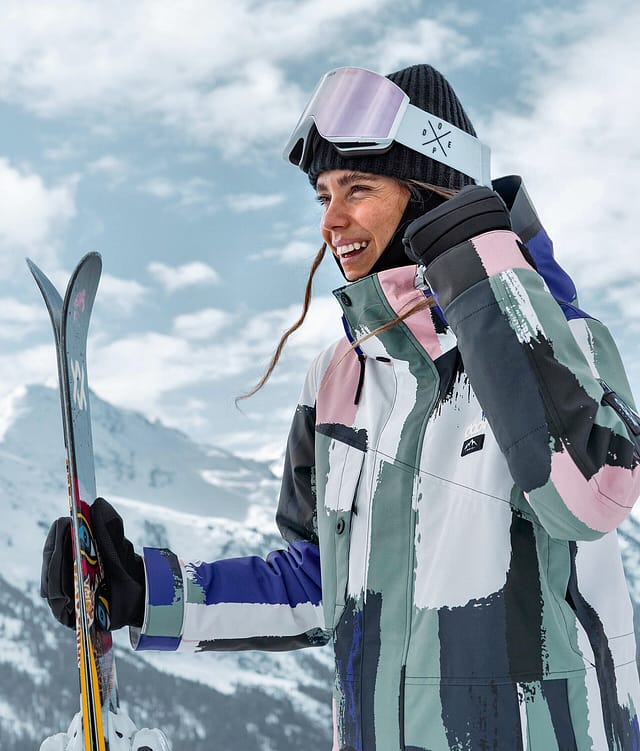
The things on your feet might put the 'ski' in skiing, but how you layer your gear is just as important. Sure, a fire fit matters. If you look good, you ride better, as we say. But your layers are what actually keep you warm, dry, and protected, so you can stay on the mountain as long as possible (well, unless a mega après session forces you to call it a day).
The fix is simpler than you'd think: a three-layer system. A moisture-wicking base layer, an insulating midlayer, and a waterproof, breathable outer layer. That's it. No huge bag of outfit options needed. Below, we break down each layer, what to wear, and how to tweak it for different conditions. For head-to-toe setups mapped to specific cold ranges, see our Dope temperature guide.
Layer up like an absolute pro
Base layers
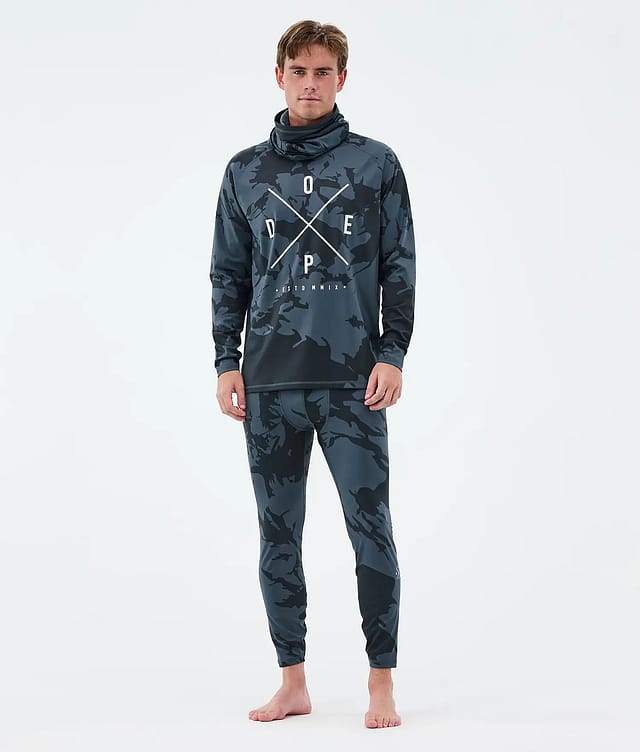
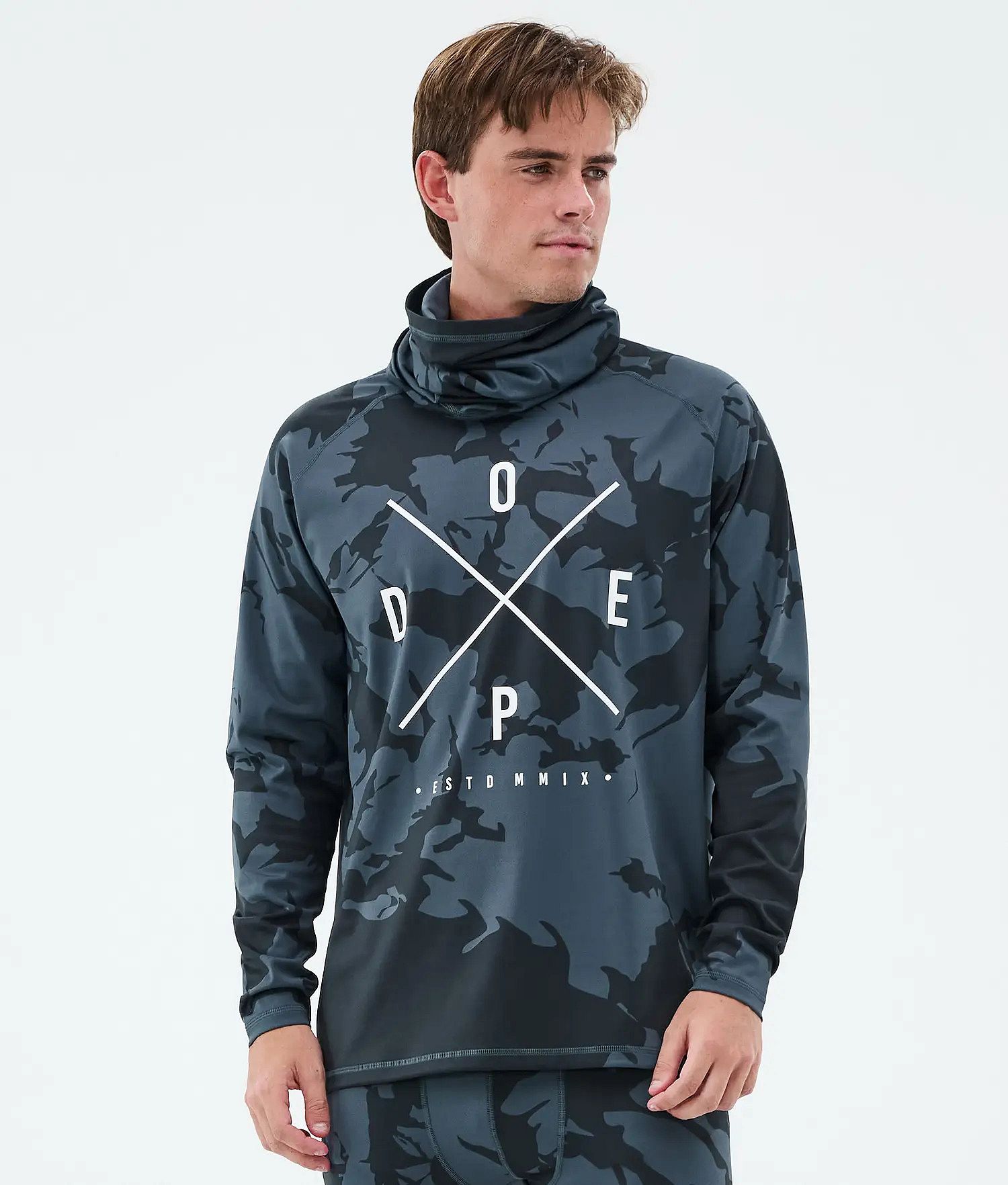
Often available as long-sleeve tops and leggings and made from lightweight fabrics such as merino wool or polyester, base layers do a brilliant job at wicking sweat away and regulating your body temperature.
Otherwise known as your “next to skin layer”, ski base layers are close-fitting (with added stretch for freedom of movement), quick-drying, and insulating. Crucially, they don’t absorb moisture like cotton, so you don’t get damp and cold. Moisture conducts heat from the skin fifty times faster than air, so it’s really important to stay dry and sweat-free in order to regulate body temperature.
Midlayer

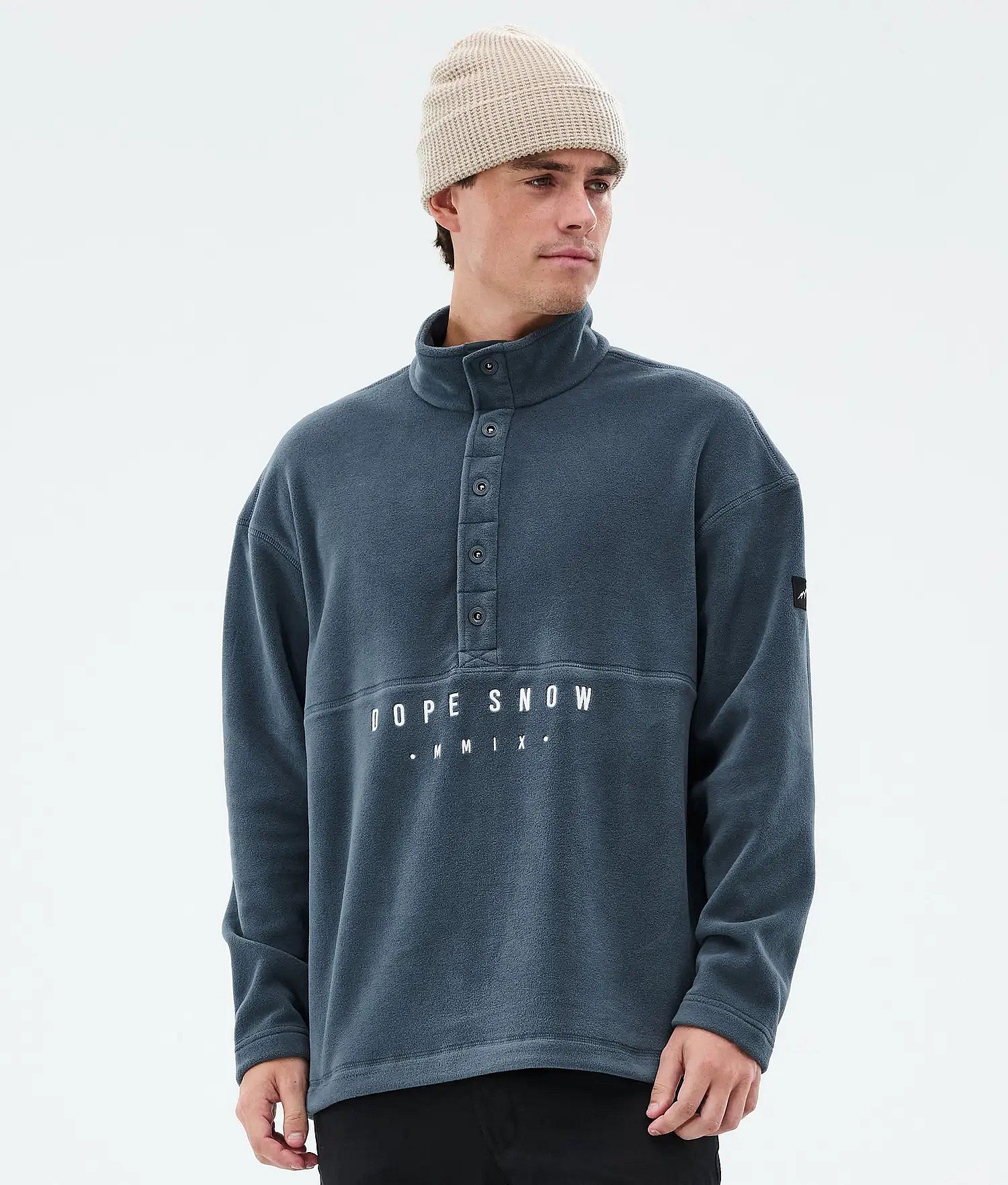
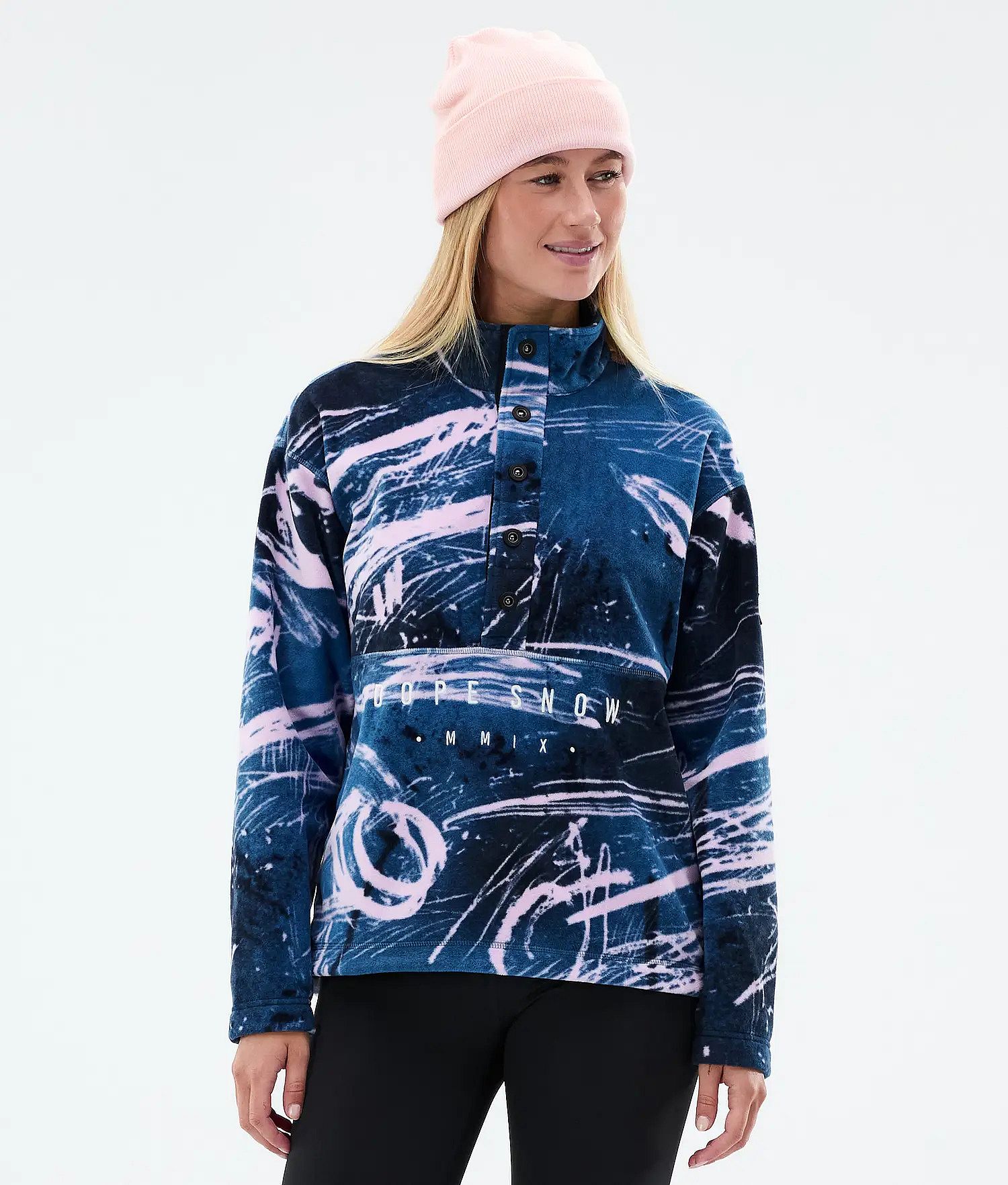
Next is the midlayer. Often referred to as the “warming” layer, midlayers excel at insulating and trapping heat to keep you extra toasty. Typically, midlayers are only for your upper body/torso, rather than your legs.
A midlayer can be a cozy ski fleece, perfect for battling those low mid-season temps. However, some riders pair an insulated puffer jacket as their midlayer with a shell on top, and we break down insulated vs shell jackets in detail). Yep, your midlayer choice comes down to personal preference and how warm or cold you run.
Outer layer
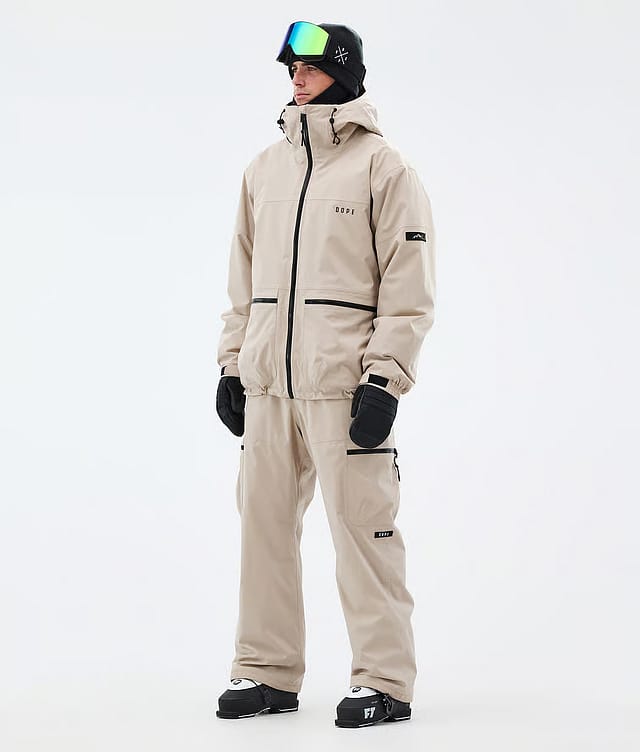
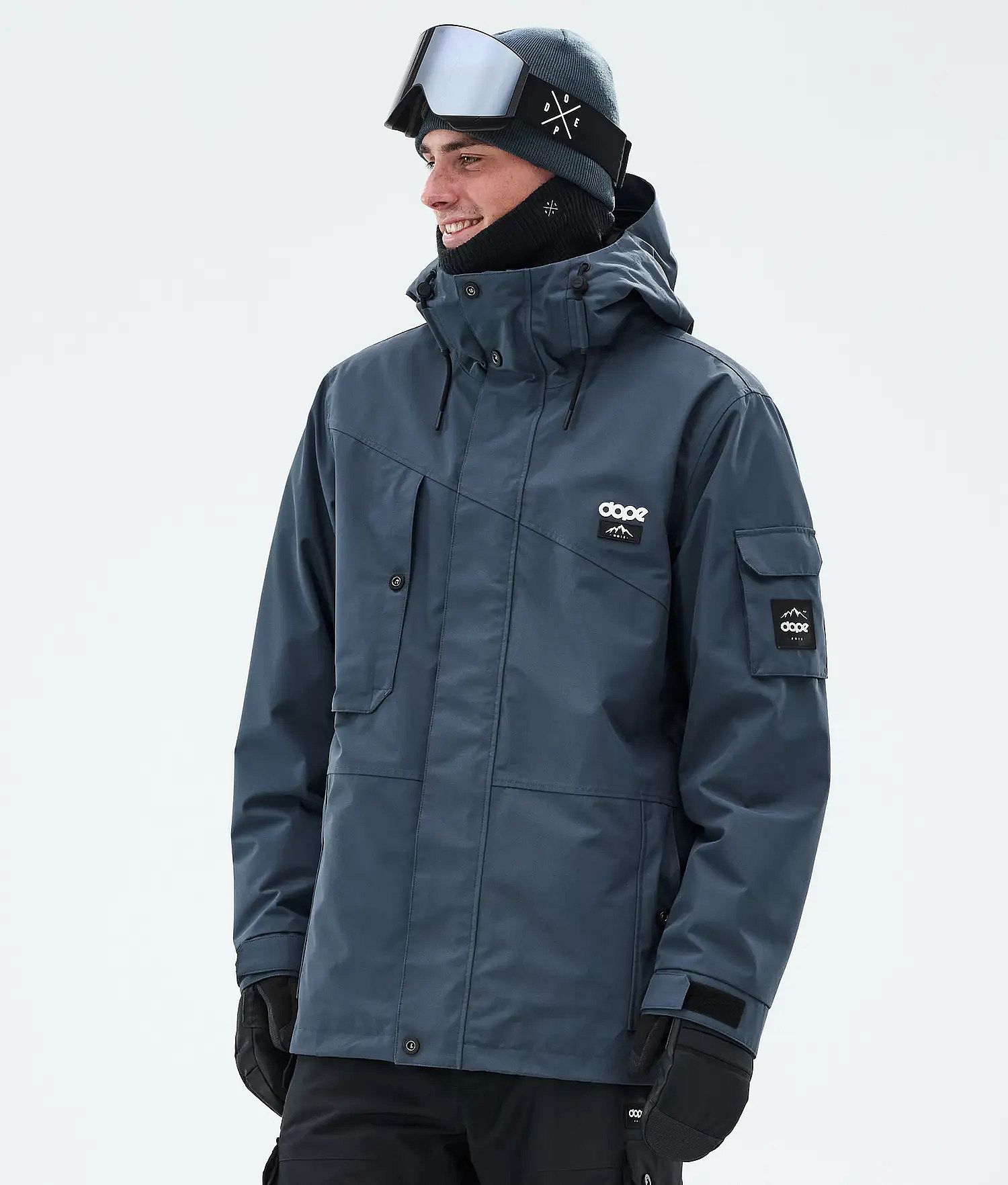
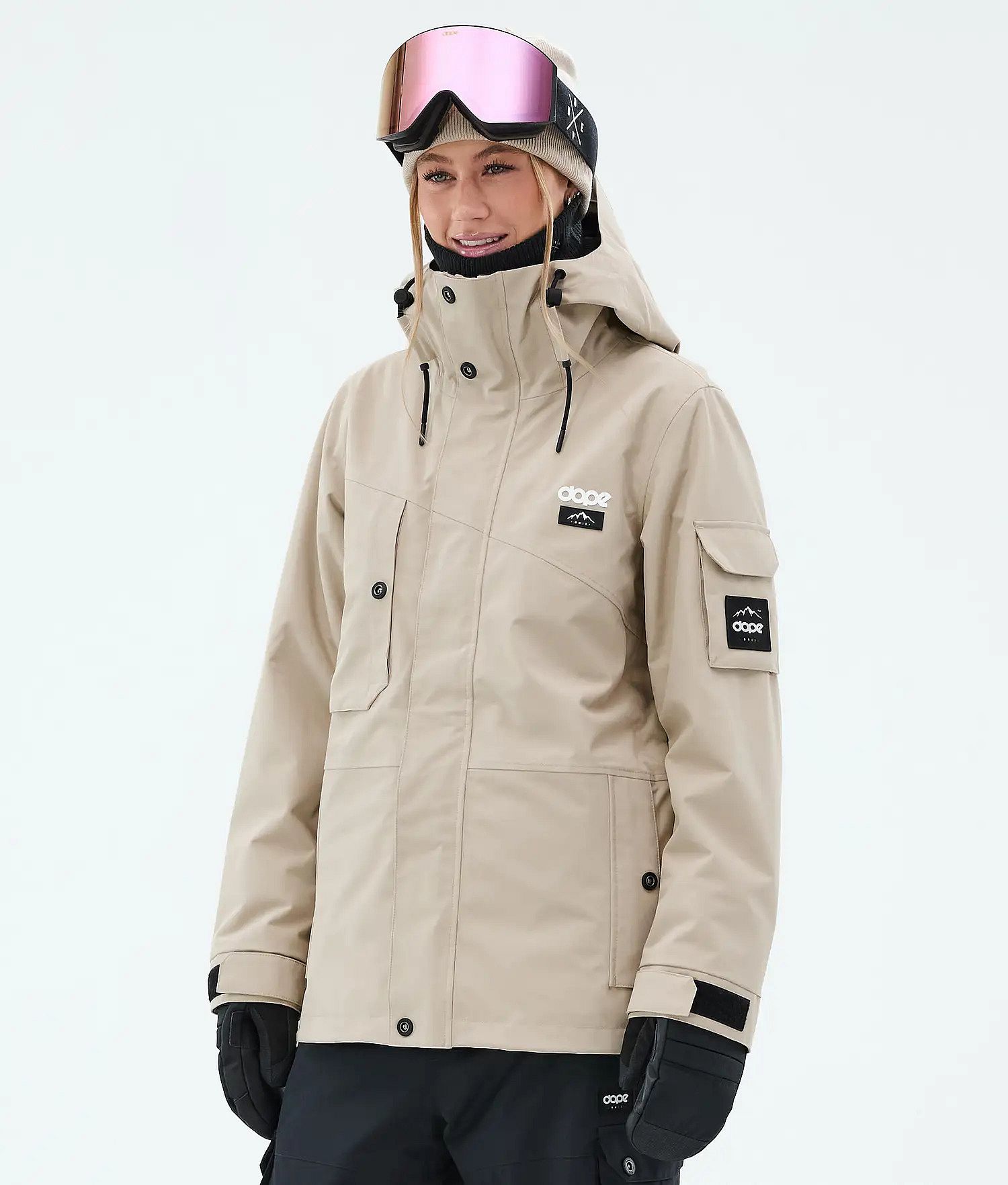
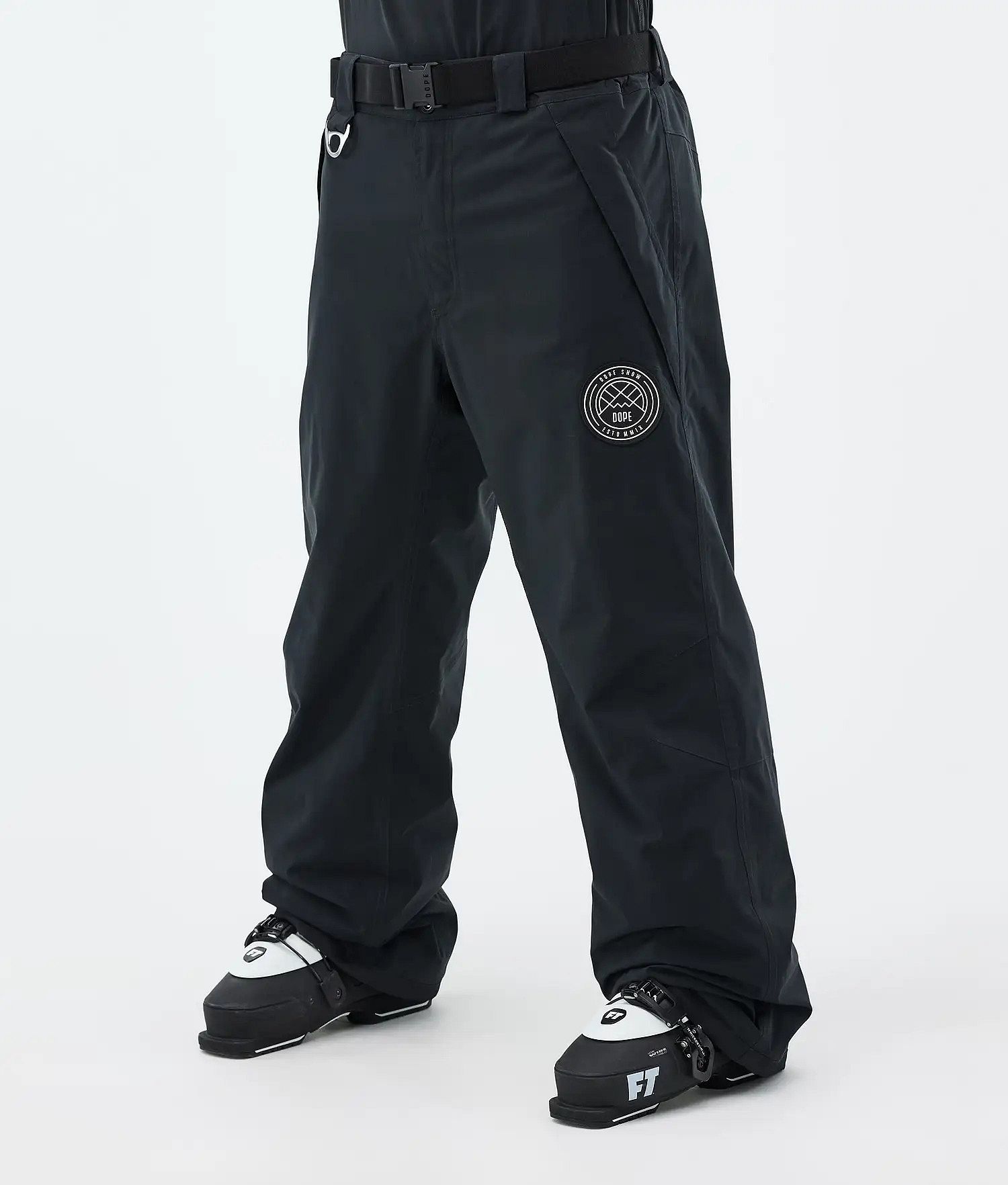
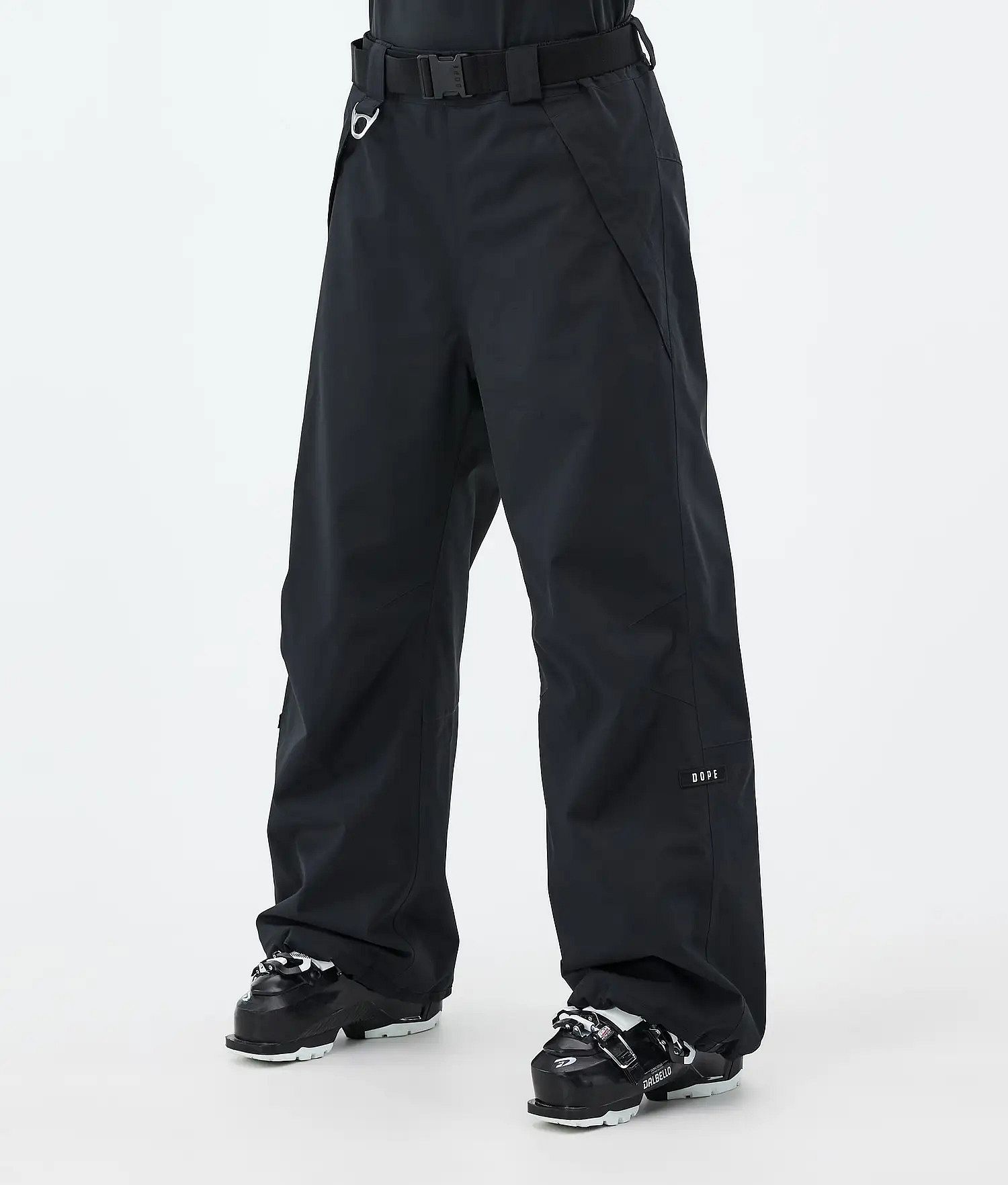
The last step in the three-layer system is the outer layer. The protective barrier, ski jackets and pants block wind, moisture, and snow from entering while simultaneously managing internal humidity from body heat. With that in mind, one of the most important aspects to consider in ski outerwear is waterproofing and breathability.
Anything that hits 15,000 mm (waterproof rating) and 15,000 g (breathability rating) or higher is often super effective for in-resort riding and everyday cruising. Look for medium-weight insulation (such as 60gsm in the body and 40gsm in the sleeves and hood) for a perfect balance between warmth and performance.
Worth noting: ski pants come in two styles, classic-style pants or bibs (which offer extra warmth around the core and stop snow sneaking up your back on a fall). Both work great, so it comes down to preference. For a full breakdown, see our ski bib vs pants guide.
For more on picking the protective barrier of your system, see how to choose a ski jacket.
Accessories
Once you’ve nailed the three-layer system, it’s time to dial in those accessories. These extras take your set-up from functional to finished.
Headwear
The potential of hitting hard-packed slopes, trees, rocks, and other riders around you means wearing a ski helmet is 100% essential. Avoid layering a beanie underneath, though, as this can mess with the fit and overall safety.
Facemasks
Facemasks layer over your neck and face to provide extra warmth when needed (super handy when the wind picks up on a stopped chairlift!). They also work well in warmer temps, offering additional protection against UV rays.
Goggles
Ski goggles are awesome for protecting your eyes from glare and the sun’s rays bouncing off the snow. They also enhance contrast and clarity. Try to make sure your goggles integrate with your helmet and avoid any gaps. This can mess up the airflow inside and lead to the dreaded goggle fog.
Gloves and mittens
Keeping your hands warm is essential. Some riders prefer the dexterity of gloves while others feel mittens provide greater warmth. See our gloves vs mittens guide for a full comparison. So, like a lot of the layers in this guide, the choice is up to you. So, like a lot of the layers in this guide, the choice is up to you.
Ski socks
Specialised ski socks are long enough to sit above your ski boot. However, avoid placing your base layer leggings over or under your ski socks. Instead, roll your leggings up so they finish above your socks. This prevents unnecessary bunching and rubbing around your shins and ankles when wearing your boots.
Layering for different conditions
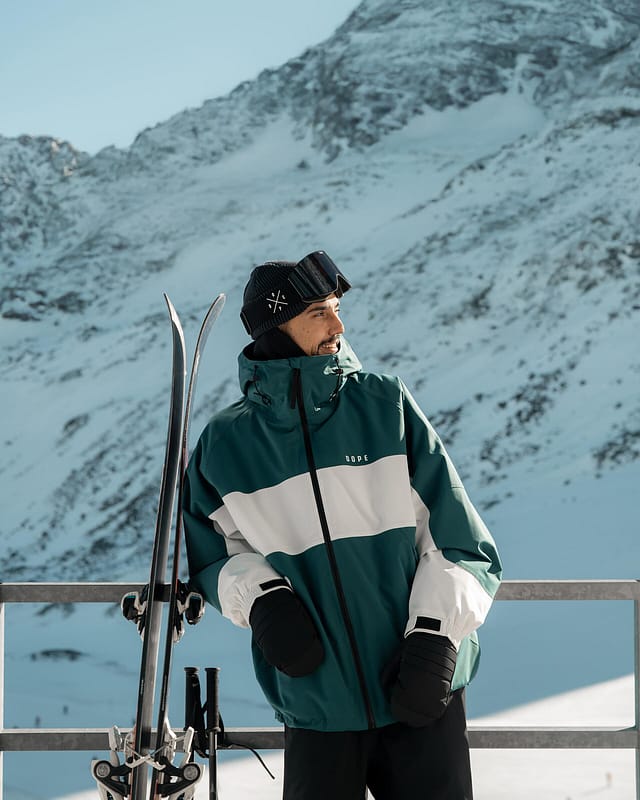
Winter isn’t always just winter. Sometimes it’s freezing out there and the snow is bulletproof, other times it’s sunny spring skiing in the slush. And with the change in temperature comes a change to your layering set-up.
For super-cold days:
- Choose heavy, insulated outerwear (such as 200gsm all-over) or layer an insulated puffer jacket or down midlayer underneath a shell jacket. You could also wear bib pants, which provide extra warmth around the core compared to classic-style pants
- When the mountain becomes a sub-zero playground, you can add fleece trousers over your baselayer as a kind of midlayer for your legs
- Add hand warmers under your gloves or mittens
For warmer days or spring temperatures:
- Choose a softshell (soft, breathable, hoody-like outerwear with medium or light insulation) or a shell (often lightweight with zero insulation)
- Ditch the midlayer or outerwear completely if preferred
- Change your gloves or mittens to thinner liner gloves
Dos and don’ts
We’re hardly sticklers for the rules here at Dope Snow. However, there are some classic dos and don’ts when it comes to layering for skiing.
- Do stick to the three-layer system and tweak accordingly.
- Do reach for a thicker or more insulated midlayer on super-cold days.
- Do choose outerwear that’s both waterproof and breathable (being “water-resistant” rarely cuts it).
- Don’t pile on layer after layer when it’s mega cold. Remember that three is the magic number… and key to staying warm without bulk.
- Don’t wear or layer cotton. As a natural fiber, cotton gets cold when damp (from sweat or by stacking it) and isn’t quick-drying, leaving you shivering
- Don’t forget to look for handy features on your outerwear, such as zippered vents. These are there to help regulate temperature and level up comfort.
FAQs
Got further questions? No sweat (literally)! Our FAQs help keep you cool, calm, and collected.
How many layers should you wear skiing?
Three! Your base layers, midlayer, and outerwear. These work together really well, keeping you warm and comfortable while allowing moisture to escape. Tweak accordingly for temperature.
What do you wear under ski pants?
Avoid regular cotton! Instead, choose technical, moisture-wicking base layer leggings made from synthetic materials or merino wool. As we mentioned above, you could add fleece pants as a midlayer in super-cold temps.
Do you still need a base layer under an insulated ski jacket?
Ideally, yes! Sure, your insulated ski jacket will ensure you stay toasty. But your base layer sits against your skin, working directly with the source to retain body heat and manage moisture. Without your base, things could get a little cold quite quickly.
Wrapping up
Correct layering is quite the skill! And it definitely takes some getting used to, and no doubt a little trial and error until you find what works for you. However, once you crack your personal layering set-up, you’ll be prepared and comfortable for a full day’s riding.
Have more questions or want to know how our Dope Snow styles fit into your three-layer system? Reach out to the rad ‘n’ friendly team at crew@dopesnow.com.
Build your ski layering kit